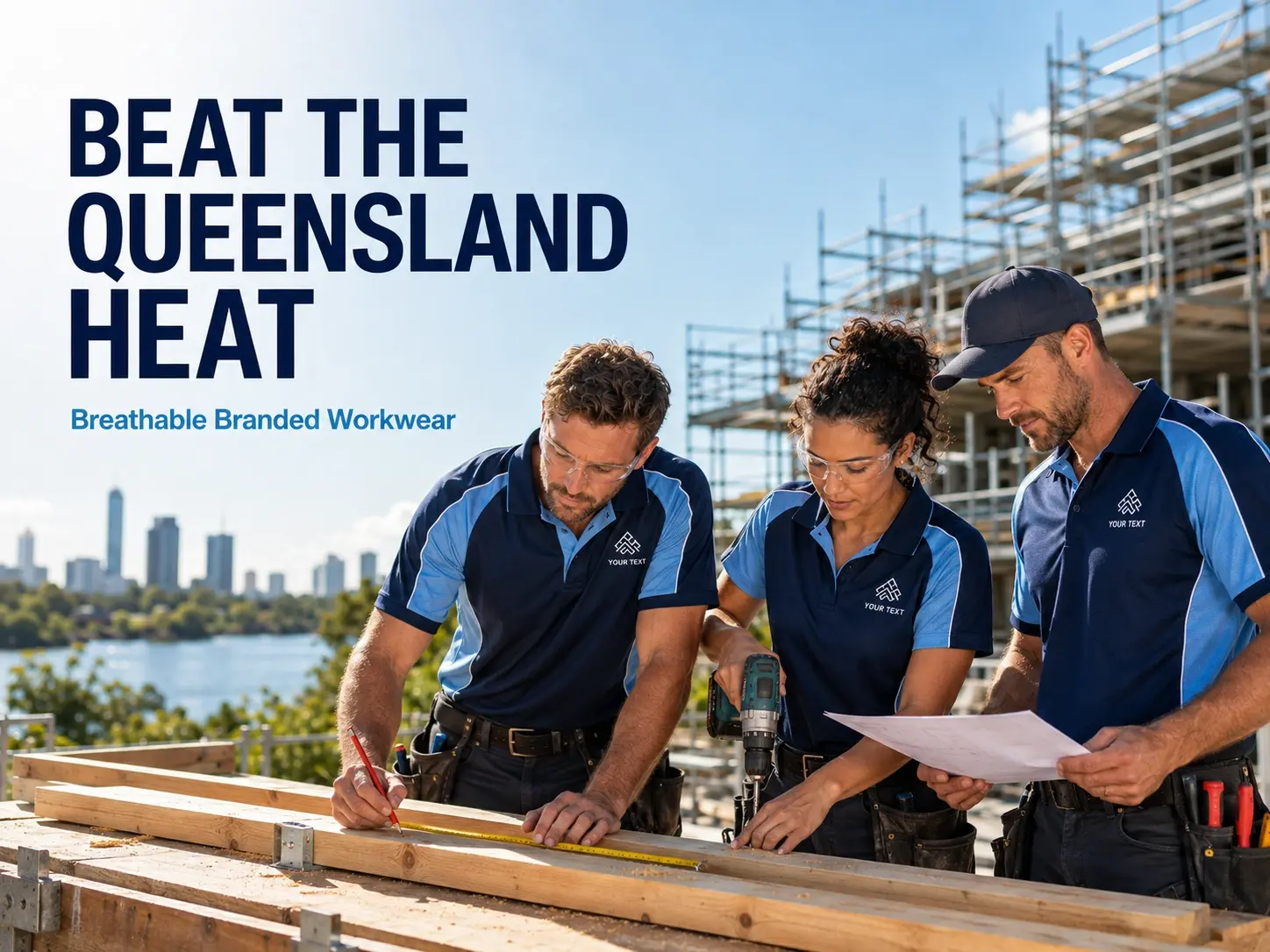
Queensland outdoor workers spend long hours dealing with relentless heat, punishing humidity and direct sun exposure. For tradies, civil contractors, landscapers, plumbers, electricians and maintenance crews, long shifts in heavy or poorly constructed uniforms make active work unnecessarily exhausting. When a work shirt traps heat and holds onto sweat, productivity drops and discomfort sets in before the day is halfway through.
Choosing the right uniform for Queensland conditions requires balancing practical comfort with site-specific demands. A shirt that works well for a residential electrician in an air-conditioned roof space might fail completely on an open civil site or in a sun-drenched garden.
Good workwear must balance six core elements:
Everyday comfort
Unrestricted airflow
Proven fabric durability
Reliable sun coverage
Site safety compliance
Sharp, professional company branding
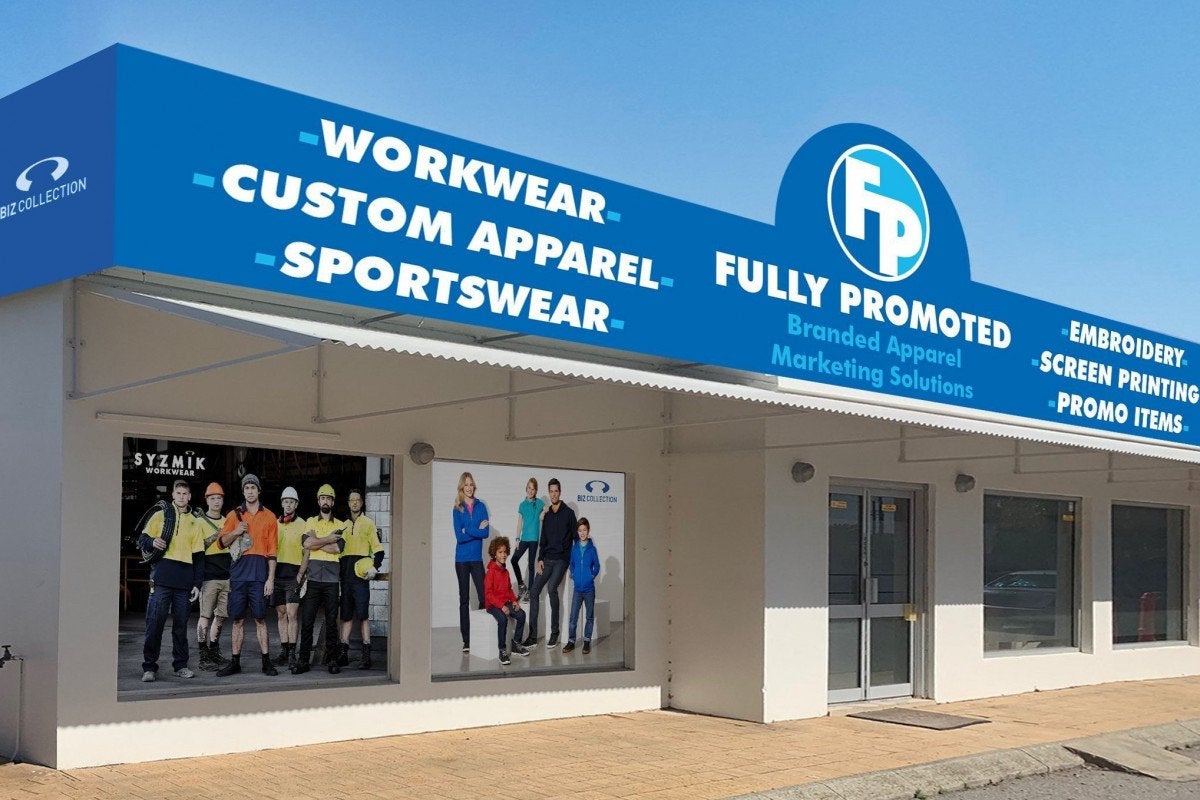
Businesses reviewing their uniforms for warmer conditions can consult Fully Promoted Springfield to evaluate suitable garments and decoration options tailored to their specific working environments.
Operating in high ambient temperatures combined with high relative humidity severely restricts the body’s natural cooling mechanism: sweat evaporation. When a uniform traps still air against the skin or fails to transfer moisture outward, core body temperature rises faster, accelerating fatigue and reducing focus during physical tasks.
Breathable workwear allows continuous air circulation through the fabric structure while actively managing moisture buildup against the skin. This airflow accelerates sweat evaporation, helping regulate body temperature during heavy physical activity and reducing skin chafing, heavy garment drag and thermal discomfort throughout long outdoor shifts.
When airflow is restricted, sweat remains trapped inside the garment weave. The fabric becomes heavy, clings to the body and creates a microclimate of hot, humid air against the skin. Over an eight-to-twelve-hour shift, this extra weight and heat increase physical strain on workers.
Different industries face distinct environmental stresses. A landscaping crew working under direct sunlight all day requires maximum sun protection and heat dissipation. Conversely, a service plumber moving constantly between outdoor calls, vehicles and customer properties needs high mobility and a clean, presentable appearance that does not show heavy sweat marks. Selecting workwear based on the precise demands of the environment ensures teams stay comfortable, presentable and safe.
Evaluating hot-weather work shirts requires looking beyond basic fabric labels. A garment's thermal performance depends on a combination of material weight, weave construction, mechanical ventilation and physical fit.
Fabric weight is measured in Grams per Square Metre (GSM). Standard trade work shirts historically used heavy cotton drill weighing anywhere from 190 GSM to 240 GSM. While durable, these dense weaves restrict airflow and hold heat.
Modern lightweight work shirts generally range from 120 GSM to 155 GSM. Lower fabric weight reduces the physical mass a worker carries and allows air to pass through the weave more freely. However, lighter fabric does not automatically mean superior performance. If a garment is too light for its application, it may tear prematurely under abrasive conditions or fail to provide adequate structural support for heavy embroidery.
Fabric weight alone does not dictate ventilation. How air moves into, around and out of the garment is equally critical. Effective airflow relies on specific design choices:
Underarm mesh vents: Openings or targeted mesh inserts beneath the arms release heat from primary thermal zones.
Back cooling vents: Back yokes lined with breathable mesh allow trapped hot air to escape as the worker moves.
Open-weave construction: Woven or knitted patterns engineered with micro-openings that let breeze pass through without exposing skin to the sun.
Relaxed, ergonomic fit: Garments that sit slightly away from the body create a chimney effect, drawing cooler air upward as body heat rises.
Perspiration is inevitable during active physical labour. The performance difference lies in how the fabric handles that moisture. Natural fibres like 100% cotton absorb sweat directly into their core structure. While cotton feels soft and cool initially, once saturated, it holds water, dries slowly and grows heavy.
Synthetic performance fabrics (such as engineered polyester micro-fibres) and advanced blends utilize moisture-wicking technology. These synthetic channels draw liquid sweat off the skin and spread it across a wider surface area on the outside of the shirt, where ambient air evaporates it rapidly.
Managing heat should never compromise sun safety. While short-sleeve shirts feel cooler in static environments, extended exposure to UV radiation causes long-term skin damage and increases physical exhaustion.Lightweight, full-coverage long-sleeve shirts made from dense, breathable weaves often keep workers cooler over an entire day than short sleeves by keeping direct radiant sun off the skin.
When evaluating sun protection, rely exclusively on the manufacturer's stated Ultraviolet Protection Factor (UPF) rating tested against recognized standard criteria (such as AS/NZS 4399). Never assume a thin, lightweight garment provides high UV protection simply because it is long-sleeved; weave density and fiber type determine actual ultraviolet block.
A lightweight shirt that tears after three weeks on a job site is not a viable uniform solution. Lightweight trade garments require high-tensile construction methods to withstand site conditions:
Ripstop weaves: Fabric constructed with a crosshatch reinforcing technique that stops small punctures from running into large tears.
Triple-stitched seams: Reinforced main seams that prevent blowouts during lifting, reaching and bending.
Stress-point bartacking: Heavy stitching at pocket corners, button plackets and vent openings to absorb mechanical strain.
Choosing between lightweight technical apparel and heavy traditional trade garments involves clear trade-offs between thermal comfort, abrasion resistance and structural longevity.
Performance Feature | Lightweight Workwear (120–155 GSM) | Heavier Traditional Workwear (180–240+ GSM) |
Fabric Weight | Low mass; light on shoulders | High mass; structural and solid |
Hot-Weather Comfort | High; releases trapped body heat rapidly | Low to Moderate; traps heat in humid conditions |
Airflow & Ventilation | High; frequently engineered with mesh vents | Moderate to Low; dense weaves limit breeze penetration |
Abrasion Resistance | Moderate; ideal for active trades and general site work | High; superior resistance to sparks, sharp edges and heavy drag |
Moisture Drying Speed | Fast; engineered for rapid evaporation | Slow; dense natural fibers retain moisture when saturated |
Branding Compatibility | Excellent for lightweight embroidery, screen print & DTF | Excellent for heavy, high-density embroidery logos |
Typical Applications | Landscaping, maintenance, residential trades, civil crews | Heavy fabrication, welding, demolition, forestry |
Lightweight options excel in high-temperature environments, but heavy drill fabrics remain relevant for high-abrasion tasks or specialized hot-work hazards. Selecting the right option means aligning fabric performance with the daily tasks of the worker.
Different fiber compositions offer distinct balances of tactile comfort, moisture handling, tensile strength and garment care.
Feature / Property | 100% Cotton | Cotton Blends | Performance Synthetics |
Material Composition | Pure natural cotton | Poly-cotton / Bamboo | 100% Polyester Mesh |
Key Benefits | • Natural, soft feel • High initial breathability | • Balanced durability • Reduced shrinking and fading | • Advanced moisture wicking • Rapid drying times |
Drawbacks / Notes | Retains moisture when wet | Varies based on blend ratio | Synthetic feel; requires anti-odor treatments |
Best Use Case | Ideal for light-moderate work | Great all-round trade option | Built for high-sweat jobs |
Cotton
Cotton remains popular due to its soft hand-feel, natural hypoallergenic properties and familiar comfort. It allows air to pass through freely when dry and does not generate static electricity.
However, cotton’s primary limitation in Queensland’s summer is moisture retention. A 100% cotton shirt can absorb up to 27% of its weight in water before feeling wet. Once soaked with sweat, it dries slowly, clings to the worker's back and shoulders, and loses its breathability.
Cotton blends—such as poly-cotton or cotton-bamboo combinations—mix natural softness with synthetic performance.
Adding polyester to cotton increases seam strength, reduces garment shrinkage after washing, improves color fastness against harsh sunlight, and significantly speeds up drying time. Bamboo-cotton blends offer natural anti-bacterial properties and an extremely soft drape, making them suitable for active workers prone to skin irritation from sweat.
Polyester micro-fibres and engineered synthetic knits are purpose-built for high-sweat environments. Modern workwear synthetics do not resemble the non-breathable fabrics of past decades; they feature sophisticated knits that pull liquid away from the body via capillary action.
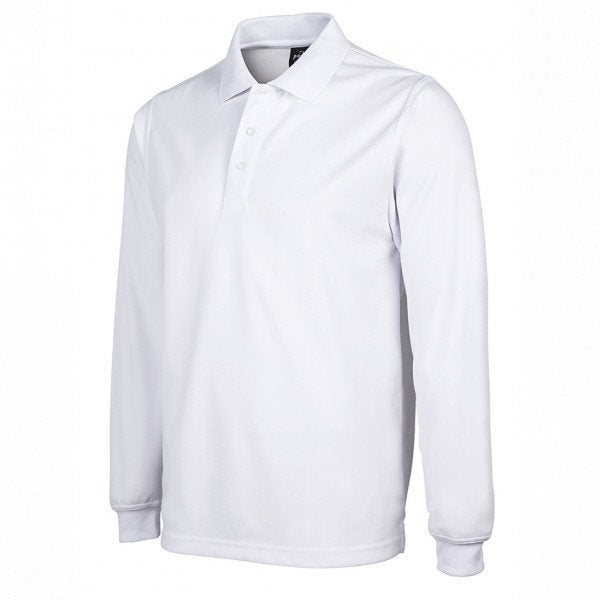
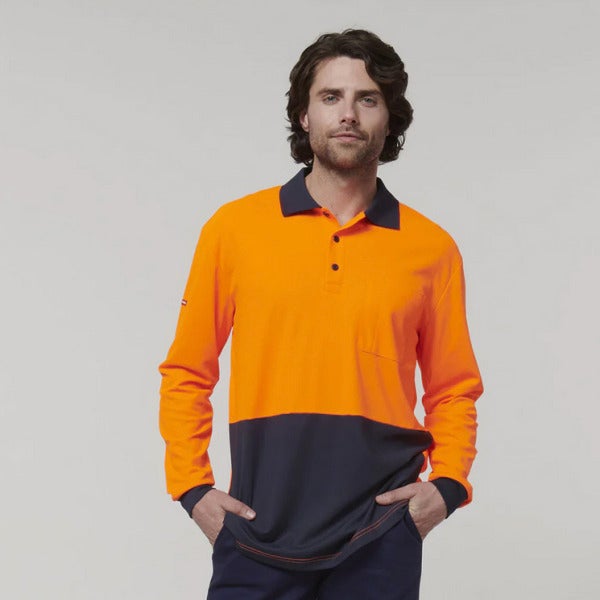
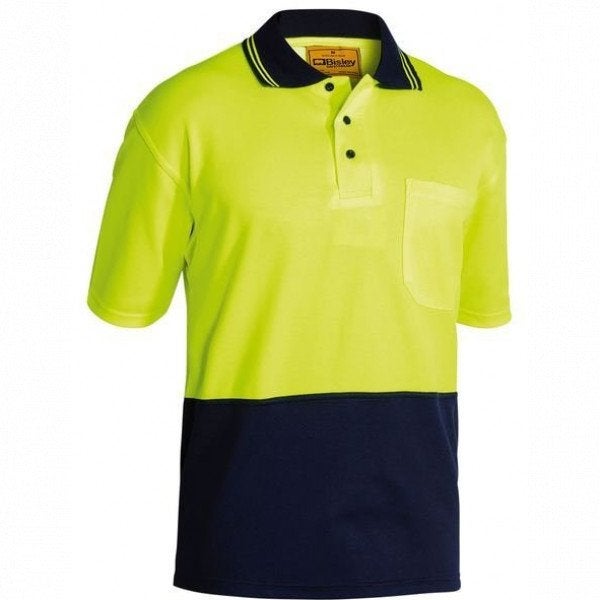
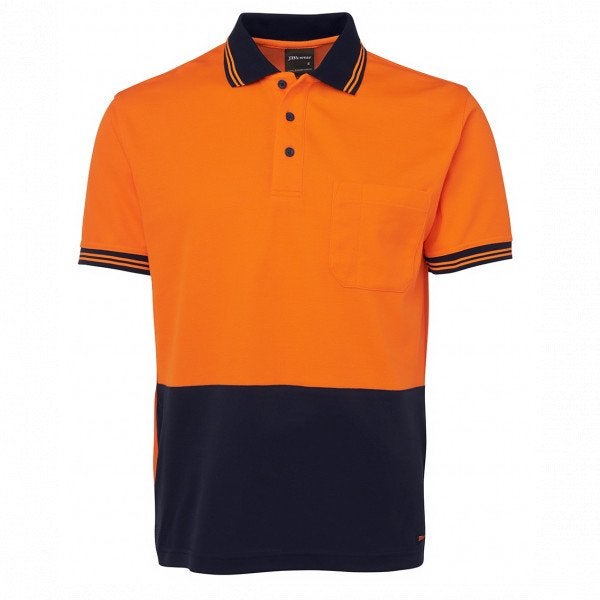
Performance fabrics dry rapidly, resist fading from intense sun exposure, and remain lightweight even when a worker is perspiring heavily. They are widely used in modern hi-vis polo shirts and active trade apparel where rapid drying is the top priority.
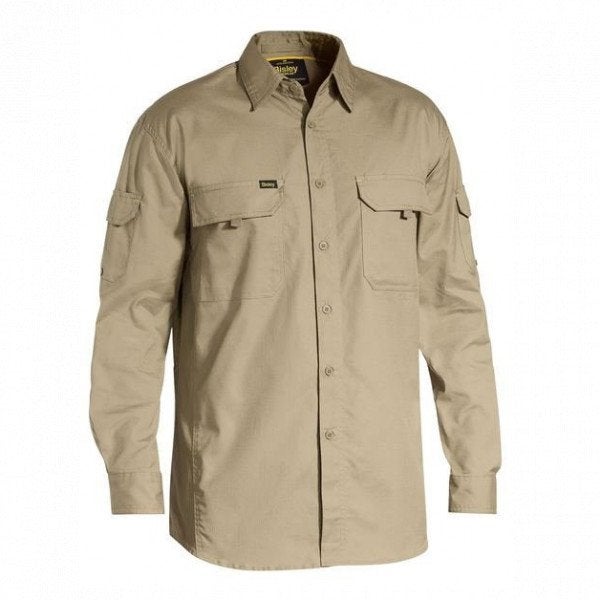
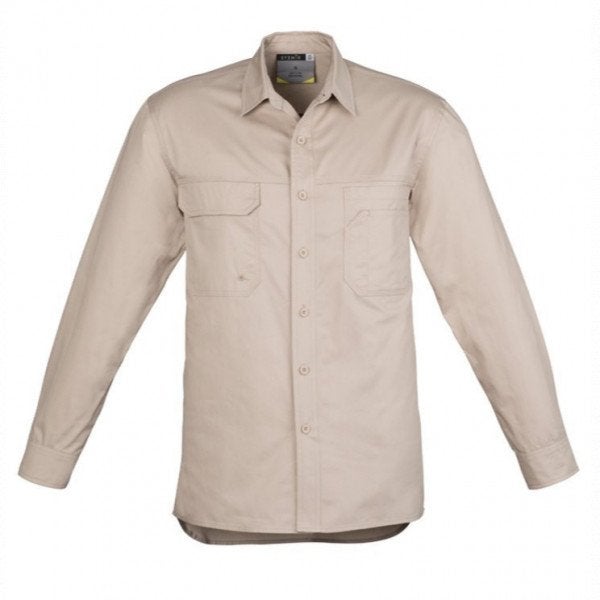
For businesses that require a crisp, structured collar and traditional button-up utility pockets, lightweight cotton twill (around 145 GSM) provides an effective compromise. It retains the professional look of a traditional industrial work shirt while utilizing a finer yarn and looser weave count to increase airflow in warm conditions.
Uniform requirements vary significantly by sector. Matching garment features to everyday job hazards ensures the uniform performs correctly in the field.
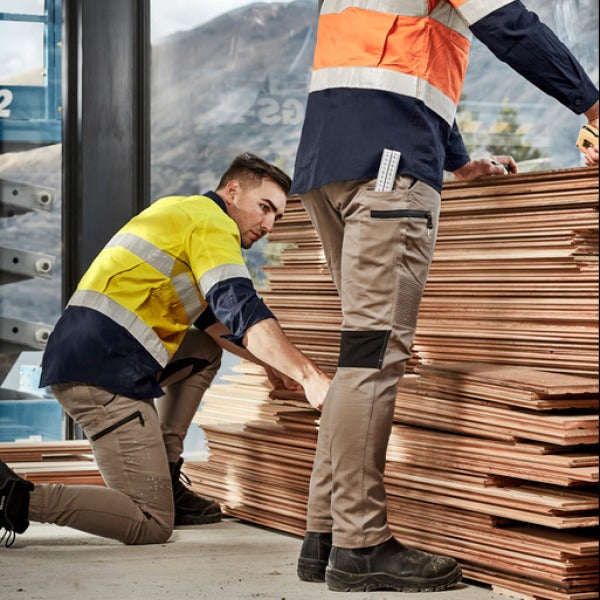
Site-based construction workers face direct solar radiation, dust, rough materials and strict safety compliance rules.
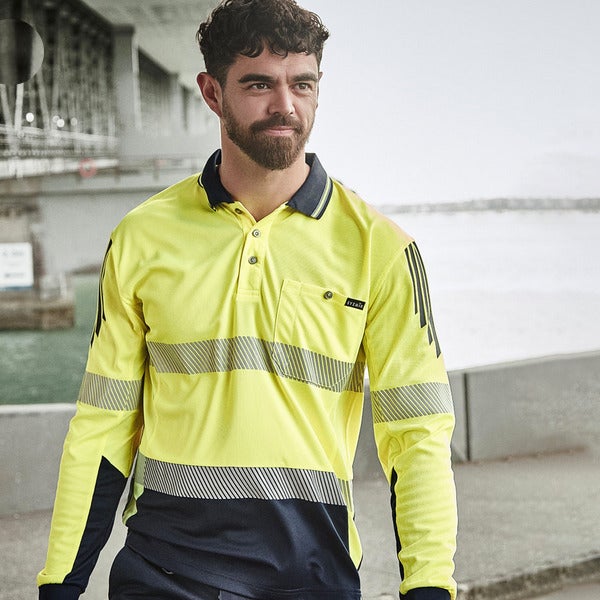
Key Garment Needs: High-visibility compliance, durable ripstop fabrics, reinforced elbows and generous back-venting.
Branding Strategy: Durable chest-logo embroidery combined with screen-printed company names across the back for clear site identification.
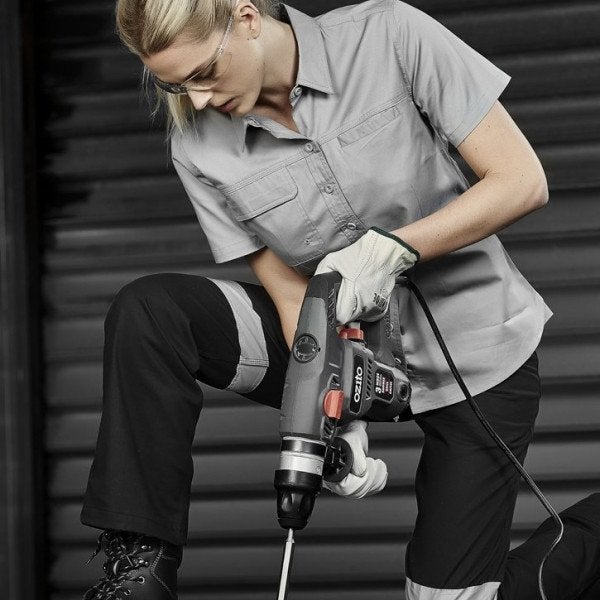
Trade contractors move constantly between outdoor job sites, enclosed spaces, roof cavities and customer-facing service calls.
Key Garment Needs: High fabric elasticity or mechanical stretch for overhead reaching, moisture-wicking properties, and a neat, presentable fit.
Branding Strategy: Clean, medium-density embroidered chest logos on technical polos or lightweight woven shirts to maintain a sharp appearance.
Landscapers work in open, sun-drenched environments with high physical output and constant exposure to soil, water and brush.
Key Garment Needs: Maximum UPF protection, long sleeves, high-airflow mesh underarm panels, fast-drying synthetic or blend fabrics, and dirt-disguising color blocks.
Branding Strategy: Direct-to-Film (DTF) or screen printing on lightweight performance tees and polos to avoid heavy embroidered patches that trap heat against the chest.
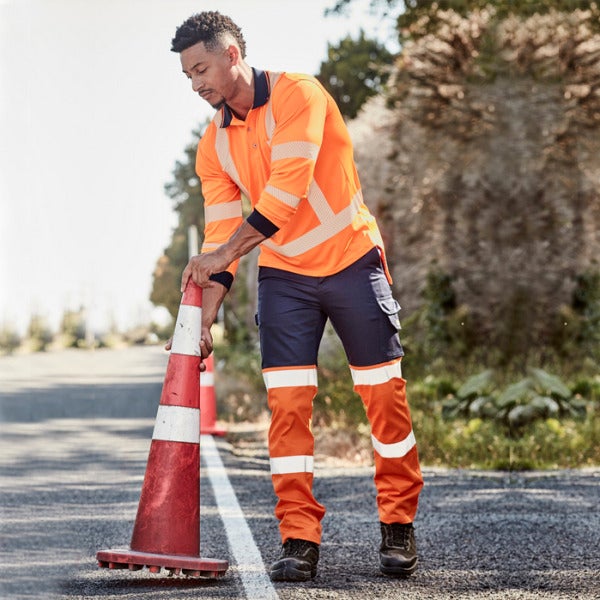
Civil crews working along roadways, earthworks and major infrastructure projects operate under stringent safety guidelines.
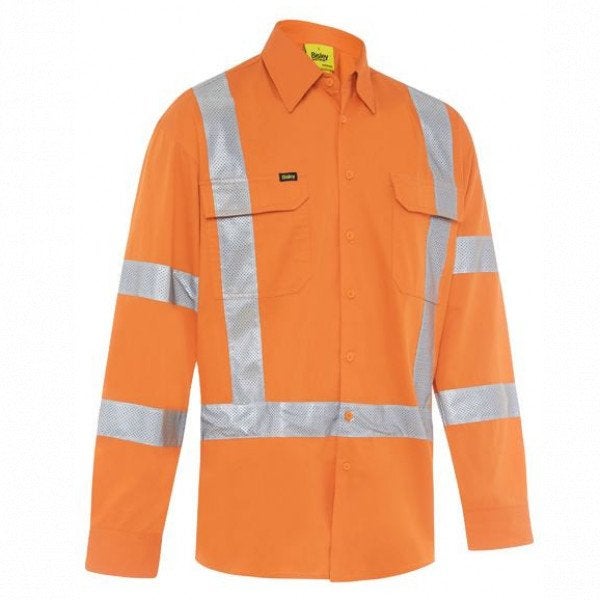
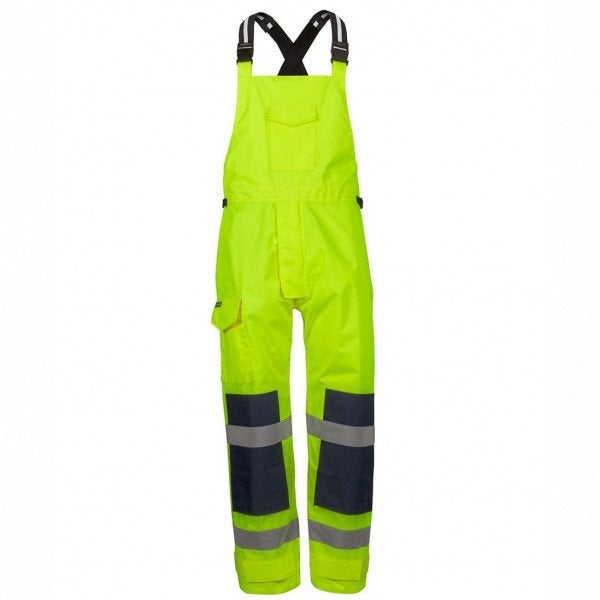
Key Garment Needs: Certified high-visibility garments (day/night compliant), lightweight breathable fabrics that do not trap heat under safety vests, and taped sun-coverage collars.
Branding Strategy: High-visibility compliant logo placement that does not obscure or interrupt retroreflective tape configurations.
Facilities workers alternate between indoor climate-controlled environments and outdoor groundskeeping duties while interacting directly with tenants and managers.
Key Garment Needs: Versatile cotton-blend polos or lightweight button-down shirts that bridge the gap between trade durability and corporate presentation.
Branding Strategy: Matching branded apparel for local businesses helps team members maintain a consistent corporate identity across various properties and service calls.
Customizing lightweight fabrics requires selecting a decoration technique that complements the weight and structure of the garment. Applying a heavy logo to a thin fabric can pull, pucker, or compromise its breathability.
Embroidery uses thread stitched directly into the fabric, providing a high-end, durable finish that withstands industrial washing.
Best For: Company logos and staff names on chest pockets, sleeves, collars, polos and woven shirts over 140 GSM.
Consideration: Avoid oversized, dense embroidery on ultra-lightweight fabrics (<130 GSM), as the heavy stitch density can cause the surrounding material to sag or irritate bare skin underneath.
Screen printing applies liquid ink through a mesh stencil directly onto the garment, which is then heat-cured.
Best For: Large back logos, bold high-visibility branding, high-volume orders, and lightweight safety tees.
Consideration: Ink deposits should be managed carefully; large, solid rubberized prints on the back of a shirt can block fabric pores and impede airflow.
DTF printing transfers full-color, digitally printed designs onto the garment using a thin adhesive powder cured under heat.
Best For: Complex multi-color logos, fine gradient graphics, smaller production runs, and lightweight performance fabrics.
Consideration: Delivers a soft-hand feel with high detail while adding minimal weight to light, breathable garments.
Businesses can explore different branded apparel options depending on the garment weight, artwork design and daily working conditions of their staff.
A uniform serves a dual purpose: keeping workers safe and comfortable while acting as a walking billboard for the business. Sacrificing appearance for comfort is unnecessary with modern technical garments.
Key elements of a professional outdoor uniform include:
Consistent Color Palette: Aligning shirt body colors, collars and trim options across different roles (e.g., matching field-worker polos with management woven shirts).
Strategic Logo Placement: Positioning primary logos on the left chest and right sleeve, leaving secondary spaces open for safety compliance or employee names.
Proportional Garment Fit: Choosing modern tailored or action-cut fits over baggy, oversized cuts that look untidy and catch on equipment.
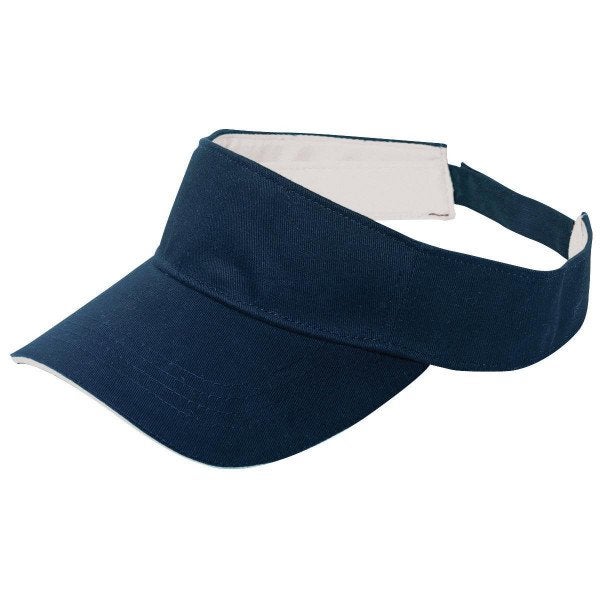
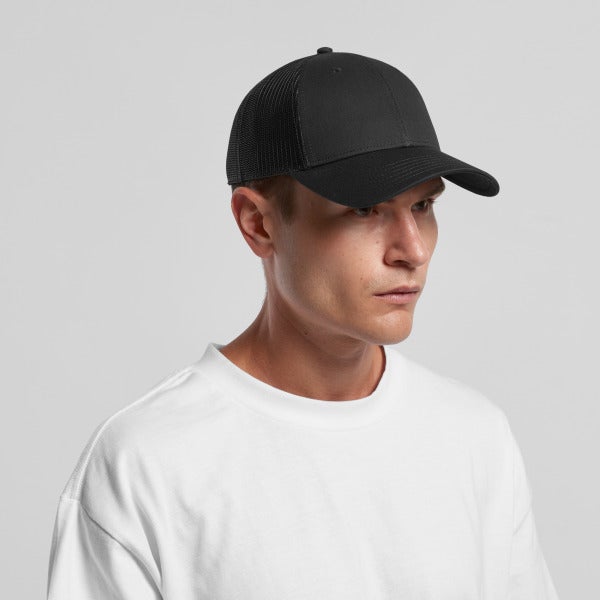
Integrated Apparel Range: Coordinating summer workwear with matching hats, jackets and vests so the brand identity remains consistent year-round.
When service workers arrive at a commercial or residential property in clean, well-fitted, branded apparel, it establishes immediate authority, trust and brand recognition.
Choosing a lightweight or ventilated shirt must never compromise workplace health and safety compliance. "Lightweight" does not automatically mean safety-compliant, and "breathable" does not mean high-visibility certified.
When specifying workwear for regulated job sites, review the following:
High-Visibility Standards: Verify that garments meet Australian standards for high-visibility safety garments—specifically AS/NZS 1906.4 (garment material) and AS/NZS 4602.1 (garment design for high risk applications).
Class Configuration: Ensure the garment meets the correct class requirement for the task: Class D (Day use only), Class N (Night use with reflective tape), or Class D/N (Day and Night compliance).
Sun Protection Standards: Confirm that claims regarding solar protection align with AS/NZS 4399 (Sun protective clothing evaluation). Look for stated UPF ratings such as UPF 30, UPF 50, or UPF 50+.
Non-Obstructive Branding: Ensure custom logos do not cover retroreflective tape or reduce the minimum required area of fluorescent background fabric.
Always cross-reference the garment manufacturer's technical spec sheets against your company’s internal safety policies before committing to a uniform range.
Selecting an effective uniform range is straightforward when broken down into a systematic, step-by-step process.
Document where employees spend the majority of their shifts. Note ambient heat, indoor/outdoor transitions, exposure to rough materials, and direct solar exposure.
Establish necessary site compliance parameters: high-visibility classifications, retroreflective tape configurations, flame resistance, or specific UPF sun-protection thresholds.
Select the fiber profile that best matches the activity level. Choose 100% cotton for soft feel in light duties, cotton-blends for overall trade durability, or technical synthetics for high-sweat, active tasks.
Match the GSM to the physical demands of the job. Aim for 120–150 GSM for intense heat and active outdoor work; step up to 160–180+ GSM where high abrasion resistance is mandatory.
Decide between short-sleeve or long-sleeve configurations. Evaluate practical features like underarm mesh inserts, dual chest pockets, roll-up sleeve tabs, and relaxed ergonomic cuts.
Select the decoration method—embroidery, screen printing, or DTF printing—that works best with the selected fabric weight and design, ensuring clear visibility without compromising garment breathability.
From civil infrastructure projects along the Centenary Highway to residential construction in Ripley and commercial maintenance across Greater Springfield, South-East Queensland businesses require uniforms engineered for local weather conditions.
Operating in sub-tropical climates means summer workwear strategies must account for sudden rainstorms, high humidity spikes, and intense UV exposure. A standard off-the-shelf work shirt designed for milder climates rarely copes with a typical Ipswich or Brisbane summer.
For businesses that need coordinated uniforms across an outdoor team, sourcing custom workwear in Greater Springfield allows uniforms to be tailored around specific job requirements, fabric preferences and corporate branding goals. Trade and service companies searching for reliable workwear for Ipswich businesses can evaluate breathable, lightweight garments alongside site safety standards to equip their crews correctly before the heat sets in.
The best workwear for Queensland conditions combines a lightweight fabric weight (120–155 GSM) with high airflow features, such as mechanical back vents or underarm mesh panels. Natural-synthetic fiber blends or technical moisture-wicking synthetics perform exceptionally well by drawing sweat away from the skin while drying quickly under direct sun exposure.
A shirt's breathability is determined by its fabric weave, fiber type, garment weight and ventilation design. Breathable garments feature open-knit structures or engineered mechanical vents (such as mesh panels) that allow air to pass freely through the material, replacing warm, humid air against the skin with cooler ambient air.
Yes, modern lightweight work shirts engineered specifically for trades use reinforced fabric structures like ripstop weaves, stress-point bartacking and triple-stitched seams. While extremely heavy abrasive work (such as masonry or welding) still demands heavy drill fabric, lightweight technical garments are durable enough for everyday carpentry, plumbing, electrical and landscaping work.
Cotton is comfortable, soft and highly breathable when dry, making it suitable for moderate activity or indoor-outdoor roles. However, because cotton absorbs and retains liquid sweat, it can become heavy and slow to dry during intense physical work in high humidity, making moisture-wicking synthetic blends a better choice for high-sweat tasks.
Yes, lightweight work shirts can be customized with embroidery. To prevent puckering or sagging on delicate fabrics, embroidery designs should utilize moderate stitch densities and appropriate backing materials. Smaller chest logos, sleeve branding, and text names are ideal applications for lightweight garments.
Breathable work shirts are recommended for outdoor workers because they assist in body temperature regulation. When paired with long sleeves and certified UPF 50+ sun protection, lightweight breathable shirts shield workers from harmful UV radiation while allowing air to circulate, keeping workers cooler over long shifts.
Yes, high-visibility garments can feature breathable construction. Many high-visibility polos and lightweight work shirts incorporate moisture-wicking fabrics and mesh ventilation panels while fully complying with Australian day and night safety standards (AS/NZS 1906.4 and AS/NZS 4602.1).
Choose workwear by assessing the team's working environment, listing mandatory safety compliance standards (such as hi-vis or UPF ratings), selecting a suitable fabric blend and weight (GSM), deciding on functional design elements (like vents and sleeve length), and finishing with a compatible branding method such as embroidery, screen printing, or DTF.
Outfit outdoor teams in garments engineered for local conditions to improve everyday job comfort, reduce thermal fatigue, and maintain site safety compliance. Balancing lightweight fabric weight with reinforced durability ensures garments withstand everyday trade wear while keeping workers cooler during intense heat. Once the right garment style and fabric are selected, custom branding unifies your team, presenting a professional image to clients, site managers, and the public.
If you are reviewing your team's uniform strategy for Queensland's warmer conditions, explore customized uniform options with Fully Promoted Springfield to build a practical, professional workwear range for your business.
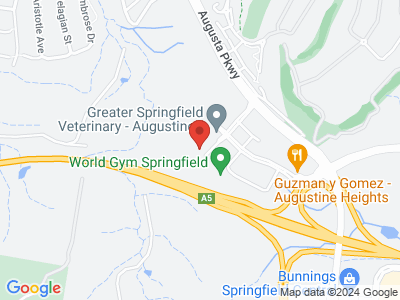
Fully Promoted Springfield
The Business Hub, Unit 5 23 Technology Drive
Augustine Heights Queensland 4300




Create exactly the look you want with a variety of branding options. Our experts can help you discover which techniques will best represent your brand and your budget.
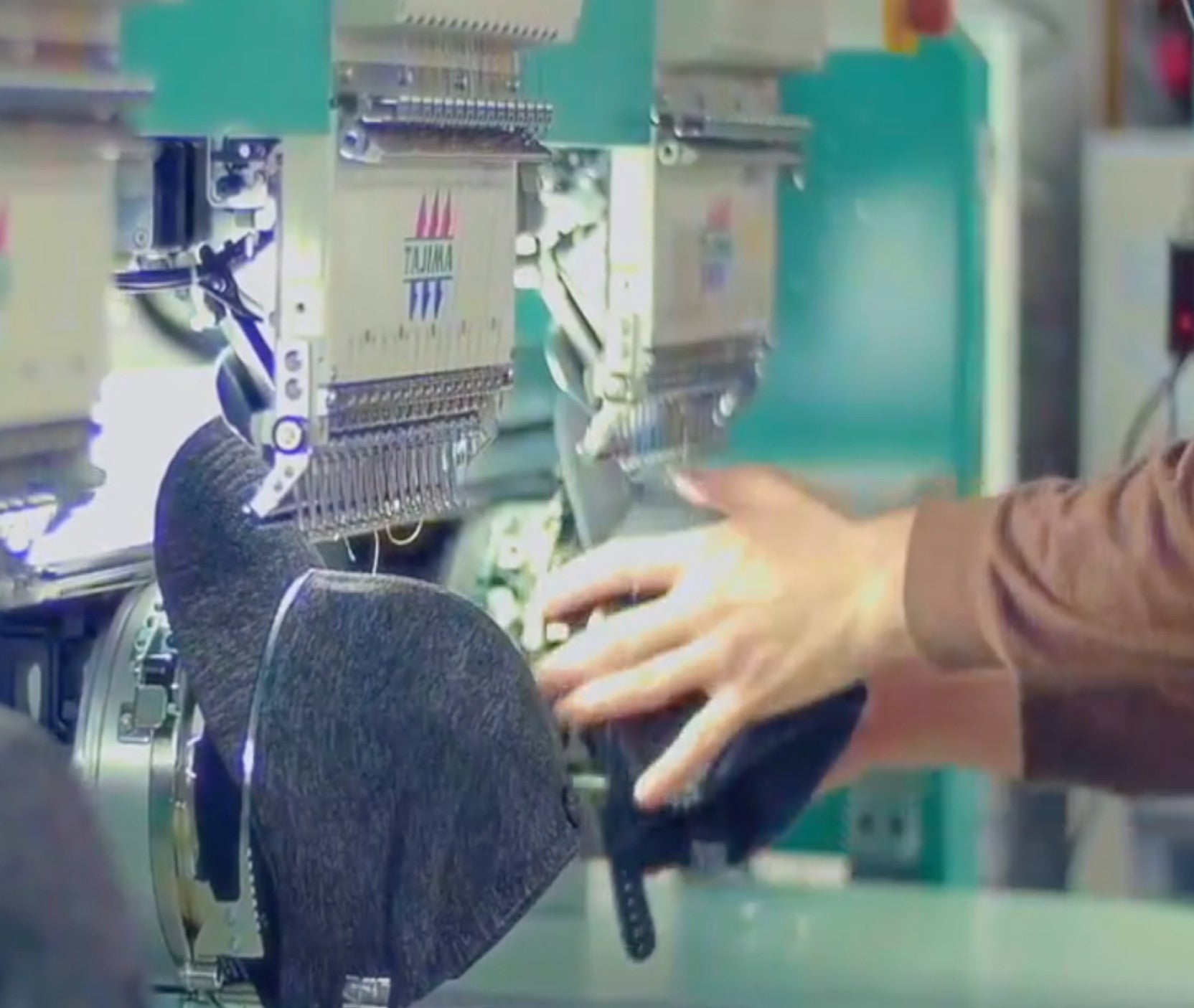
Whether it’s embroidery for your garments, screen printing for a run of apparel, or the latest in branding technology with direct to transfer printing, Fully Promoted has you covered.
Contact Fully Promoted today.









Join our winning team and own your future with
Fully Promoted - the largest promotional franchise
in Australia.
Apply Today!
>



 Industries