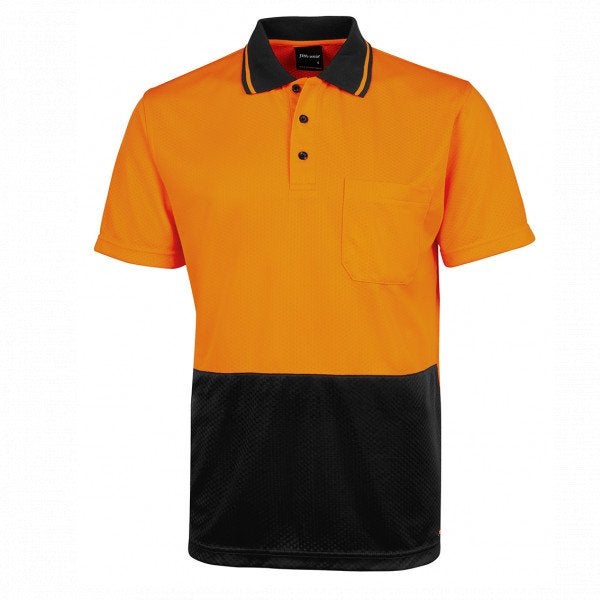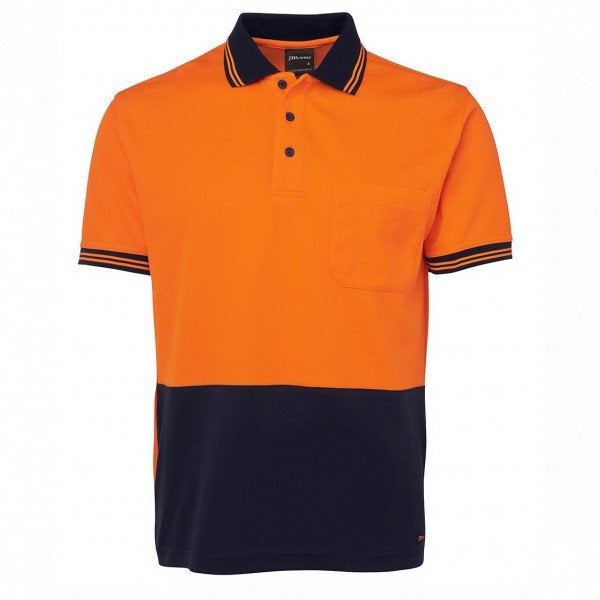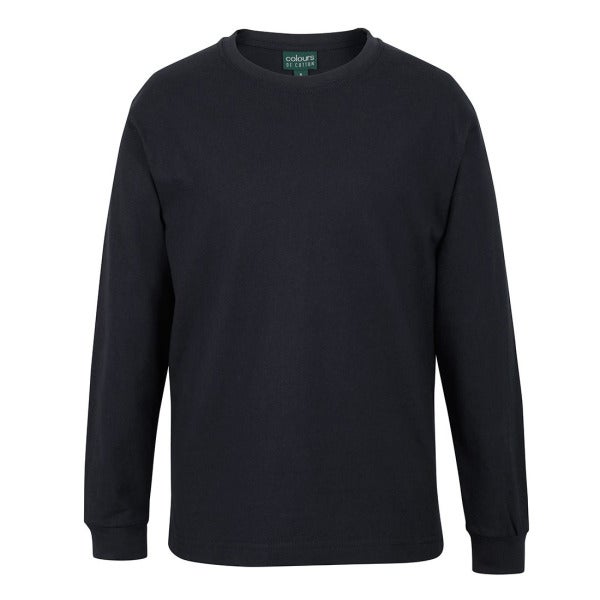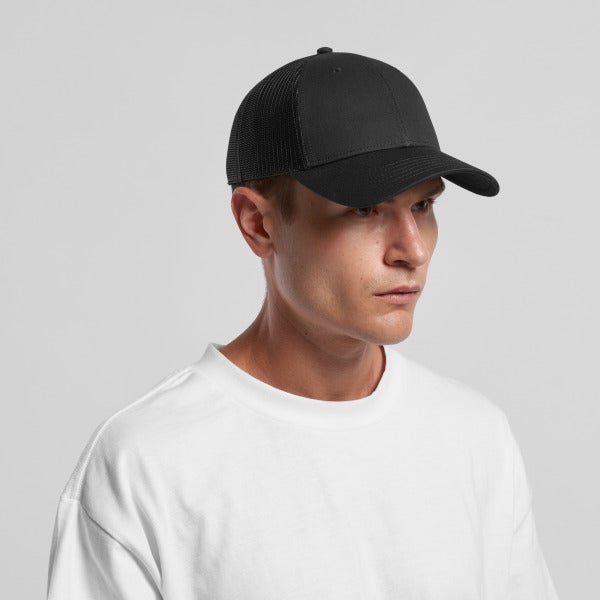
A well-embroidered logo can completely change the appearance of a work uniform.
The same business logo may look excellent on the left chest of a polo, too small on a jacket or overcrowded on a cap. The difference often comes down to placement, size and how the design has been prepared for embroidery.
For businesses investing in custom embroidered uniforms, these details matter.
Whether you are ordering polos for a sales team, business shirts for reception staff, jackets for outdoor employees or caps for a promotional event, your branding should look balanced, professional and consistent.
At Fully Promoted Pyrmont, we help businesses across Pyrmont, Sydney CBD, Ultimo, Darling Harbour and the Inner West choose embroidery placements that complement their garments and represent their brand properly.
Embroidery is different from printing.
A printed logo can reproduce certain fine details and colour effects that may be difficult to achieve with thread. Embroidery uses stitches to recreate the design directly on the garment, giving it a textured, professional finish.
However, the finished appearance depends on several factors:
Logo dimensions and proportions
Fabric construction and thickness
Stitch density
Garment seams and pockets
Embroidery backing and stabilisation
Thread colours
Positioning and alignment
A logo that looks perfectly balanced on a computer screen may need adjustments before it can be embroidered successfully.
Choosing the right location is therefore just as important as choosing the right garment.
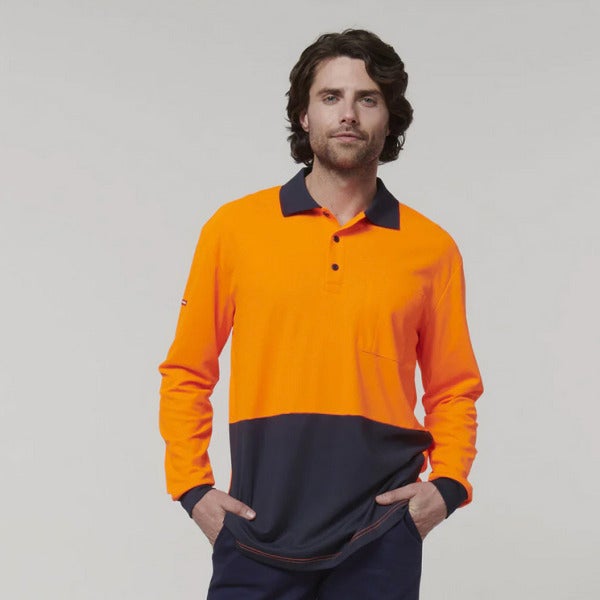
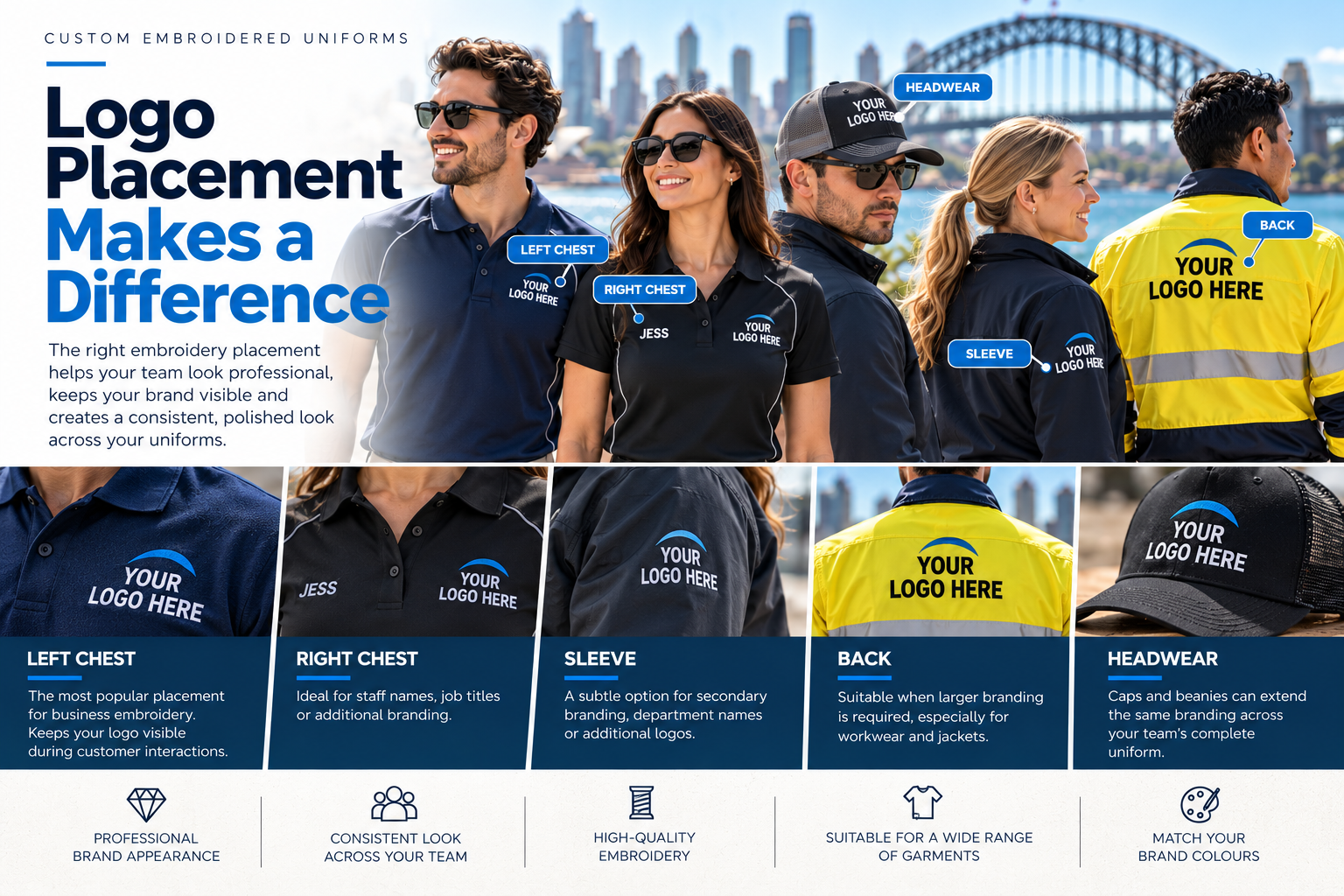
Left chest embroidery remains one of the most widely used positions for business uniforms.
It provides clear brand visibility during everyday interactions without making the garment feel overly promotional.
This placement is particularly suitable for:
Corporate polos
Business shirts
Healthcare uniforms
Hospitality uniforms
Work shirts
Softshell jackets
Staff uniforms
For many business logos, an embroidery width of approximately 70–100 mm can be a useful starting point, although the final dimensions depend on the artwork and garment.
A wide horizontal logo may need a different size from a compact circular logo.
The most important consideration is balance.
A logo should be clearly visible without extending too close to the sleeve, placket, pocket or garment seams.
Pocket placement requires additional attention.
Depending on the shirt design, the logo may be positioned above the pocket, on the pocket itself or in another suitable chest location.
The available space may limit the embroidery size.
For corporate shirts and uniforms with multiple pockets, checking the actual garment before production helps achieve a more professional result.
Right chest embroidery is commonly used for staff names, job titles or department information.
It can also accommodate a secondary logo where appropriate.
For example, a healthcare clinic may choose its logo on the left chest and an employee's name and role on the right.
A hospitality business may use the company logo on one side and a staff name on the other.
When combining left and right chest embroidery, the designs should feel visually balanced.
They do not necessarily need identical dimensions, but their positions should align appropriately.
Sleeve embroidery can add a professional finishing detail without dominating the uniform.
It is useful for:
Secondary branding
Department identification
Small company logos
Event branding
Team or club identification
Sleeve logos are often smaller than chest embroidery because the available area is limited.
Curved sleeves, seams and lightweight fabrics can also affect how the artwork sits.
A compact logo with limited fine detail is generally easier to embroider cleanly than a complicated design with small text.
For customer-facing businesses wanting understated branding, sleeve embroidery can be an excellent addition.
Back embroidery is worth considering when the business name or logo needs to be seen from a distance.
It may suit:
Jackets
Heavyweight work shirts
Staff outerwear
Event uniforms
Team apparel
However, larger embroidery is not always the best solution.
Large stitched designs can add weight, create stiffness and place additional stress on certain fabrics.
For lightweight polos, waterproof outerwear or garments requiring large back branding, printing or specialist heat transfers may be more suitable.
The decision should be based on the material, intended use and desired finish.
Headwear embroidery requires a different approach from flat garment embroidery.
Caps have curved surfaces, seams, structured panels and limited decoration areas.
Common positions include:
Front centre
Front side
Side panel
Back of cap
Beanie cuff
Bucket hat front
A detailed logo that looks excellent on a business shirt may not translate cleanly to a cap.
Very small lettering, narrow outlines and intricate artwork can lose definition when stitched.
The design may need to be simplified, resized or prepared differently.
Structured caps can also behave differently from unstructured caps, while mesh panels and seams can influence the available embroidery area.
At Fully Promoted Pyrmont, we review these factors before recommending the placement and final design size.
There is no universal embroidery size that suits every garment.
The following measurements are useful starting points rather than fixed specifications.
Placement | Indicative logo width |
|---|---|
Left chest | 70–100 mm |
Right chest | 70–100 mm |
Sleeve | 50–80 mm |
Cap front | 70–110 mm |
Cap side | 35–55 mm |
Jacket back | 180–250 mm |
Actual dimensions depend on logo proportions, garment construction, embroidery access and available decoration space.
A square logo, circular emblem and long business name will all require different sizing.
For example, a compact circular logo may look balanced at 75 mm wide, while a detailed horizontal logo may need additional width for the lettering to remain readable.
The goal is not to use the largest size available.
It is to find the size that produces the cleanest result.
Embroidery uses thread rather than ink, so tiny details require careful consideration.
A logo containing fine lettering, thin lines, small gaps or detailed gradients may need adjustments for embroidery.
This does not necessarily mean changing the client's branding.
Instead, we can review:
Overall logo dimensions
Minimum readable lettering size
Stitch direction
Thread coverage
Outline thickness
Spacing between design elements
Simplified logo variations where approved
Sometimes increasing the logo slightly improves clarity.
In other cases, reducing unnecessary detail or adjusting the embroidery file produces a cleaner finish.
The objective is to preserve the brand's appearance while working within the physical limitations of stitching.
Not all fabrics behave the same way under embroidery.
A heavyweight cotton polo, lightweight polyester shirt, stretch performance fabric and softshell jacket each require different considerations.
These often provide a suitable base for corporate embroidery, depending on the fabric weight and knit construction.
Lightweight fabrics may require additional stabilisation to reduce puckering and distortion.
Stretch garments need careful preparation because the fabric can move during embroidery.
Excessively dense stitching may affect the appearance and comfort of the finished garment.
Jackets may have multiple fabric layers, linings, pockets and waterproof membranes.
These details affect both embroidery access and whether stitching is appropriate.
For waterproof garments, embroidery can create needle holes that may compromise waterproof performance unless suitable construction or sealing measures are used.
This is why garment selection and embroidery planning should happen together.
Embroidery thread colours should complement the garment and reflect the client's branding as closely as possible.
For businesses with established brand guidelines, PMS references provide a useful starting point.
However, embroidery threads do not reproduce every Pantone colour exactly.
We therefore compare available thread shades and select the closest suitable match.
Contrast also matters.
A navy logo may look excellent on a white polo but become difficult to see on a black jacket.
In those cases, an approved white or light-coloured logo variation may create a stronger result.
Consistency across polos, shirts, caps and jackets helps create a coordinated uniform range.
Before producing a larger uniform order, confirming the design is an important step.
A digital mockup can show approximate logo placement and scale, but it cannot fully demonstrate how embroidery thread will interact with the fabric.
Where appropriate, a physical embroidery sample can help assess:
Lettering clarity
Thread colour
Stitch coverage
Logo dimensions
Overall appearance
Suitability for the intended garment
This is particularly useful for detailed logos, specialist fabrics and larger uniform programmes.
Once the design, thread colours and placement have been approved, those specifications can be recorded to support consistency across future orders.
At Fully Promoted Pyrmont, we believe professional embroidery requires attention to more than the logo itself.
We look at how the design interacts with the garment, how the embroidery will sit, whether the details will remain clear and how the finished result represents the client's business.
We help with:
Logo sizing and positioning
Embroidery artwork preparation
Thread colour selection
PMS colour considerations
Chest, sleeve and back placement
Cap and beanie embroidery
Staff name personalisation
Garment and fabric suitability
Artwork approval and sampling
Consistency across uniform ranges
Repeat order planning
Our goal is to ensure each embroidered garment looks considered, balanced and professional.
We take the time to refine placement, review artwork and explore suitable embroidery options because small details can make a significant difference to the finished product.
For businesses investing in staff uniforms, consistent branding is not just about adding the same logo to every item.
It is about ensuring that logo looks right on every garment.
Whether you need embroidered polos, business shirts, jackets, caps or complete staff uniforms, Fully Promoted Pyrmont can help you choose the right placement and finish.
Explore our Uniforms & Apparel, browse Custom Polo Shirts or learn more about our Embroidery and Branding Services.
You can also contact Fully Promoted Pyrmont to discuss your logo, garments and embroidery requirements.
We'll help you create branding that looks professional, fits the garment properly and represents your business with care.

Fully Promoted Sydney CBD South
Shop 2, 209 Harris Street
Pyrmont New South Wales 2009
Create exactly the look you want with a variety of branding options. Our experts can help you discover which techniques will best represent your brand and your budget.
Whether it’s embroidery for your garments, screen printing for a run of apparel, or the latest in branding technology with direct to transfer printing, Fully Promoted has you covered.
Contact Fully Promoted today.




Join our winning team and own your future with
Fully Promoted - the largest promotional franchise
in Australia.
Apply Today!
>



 Industries