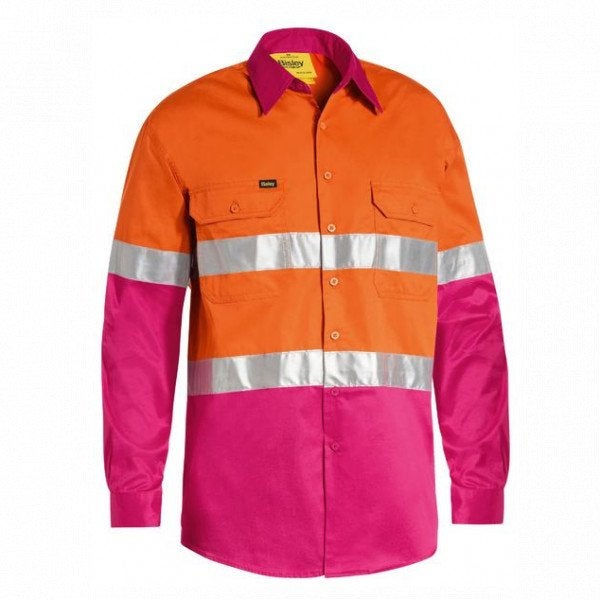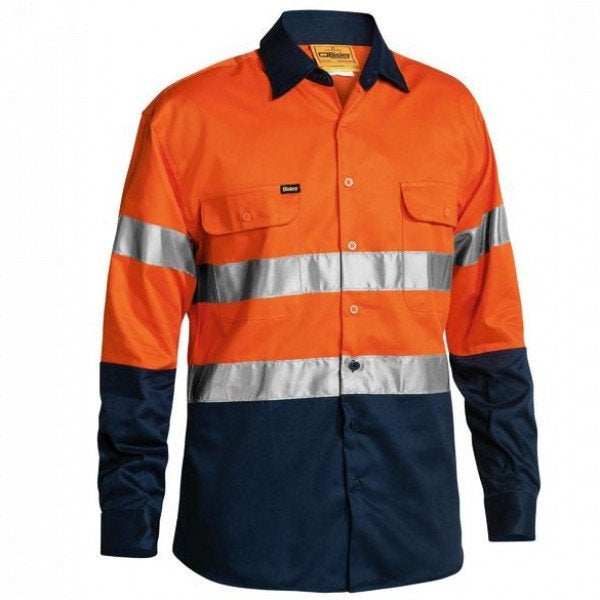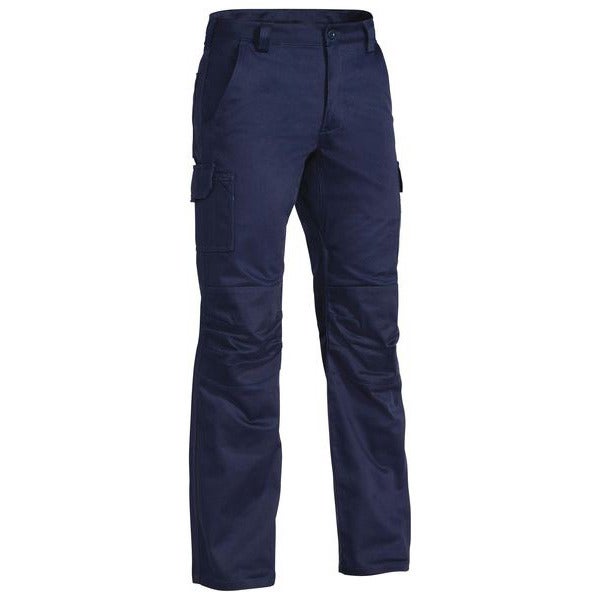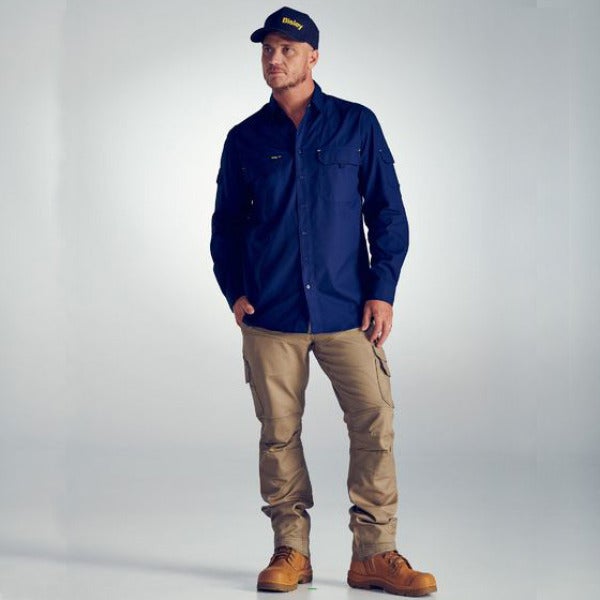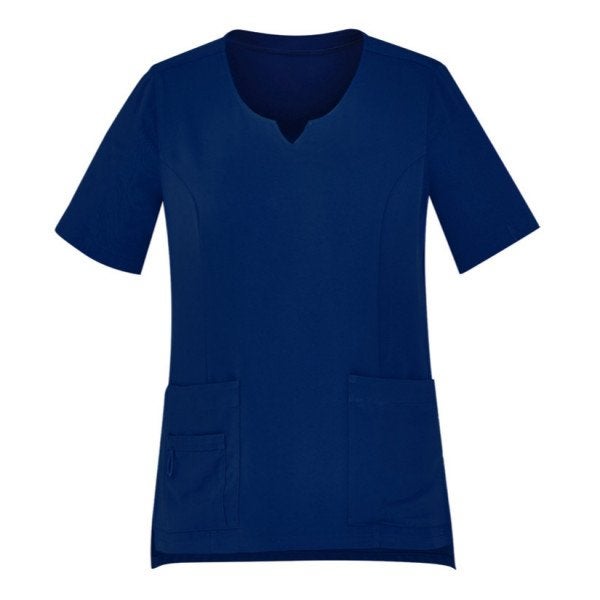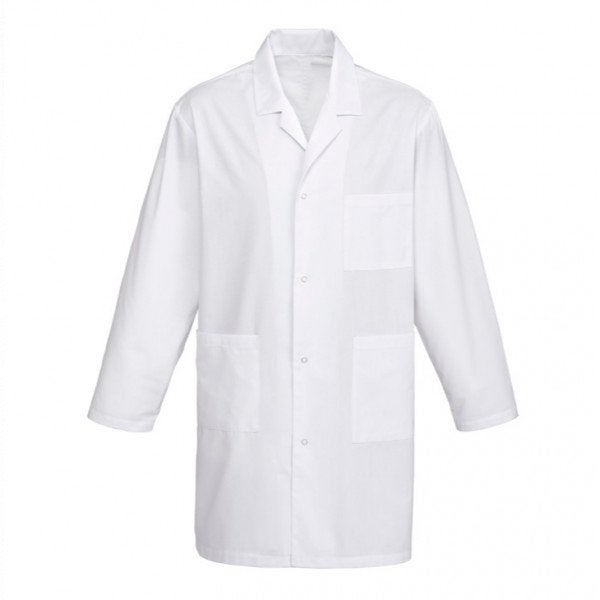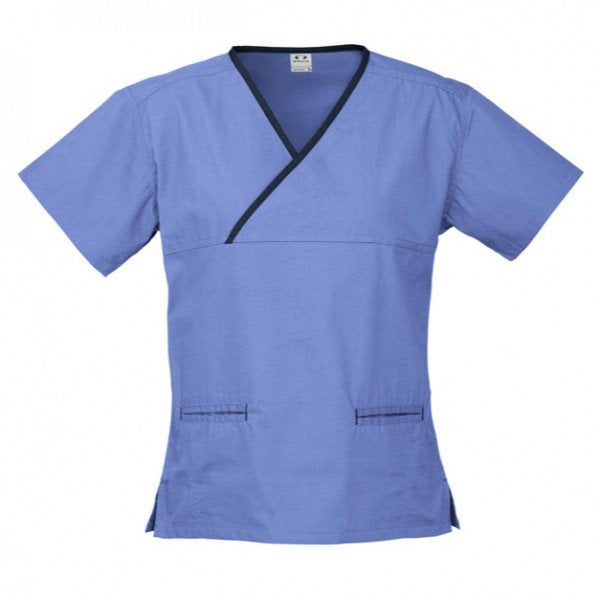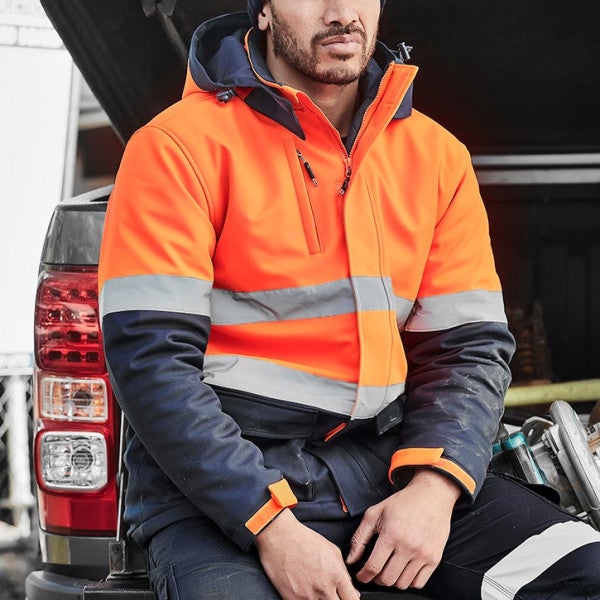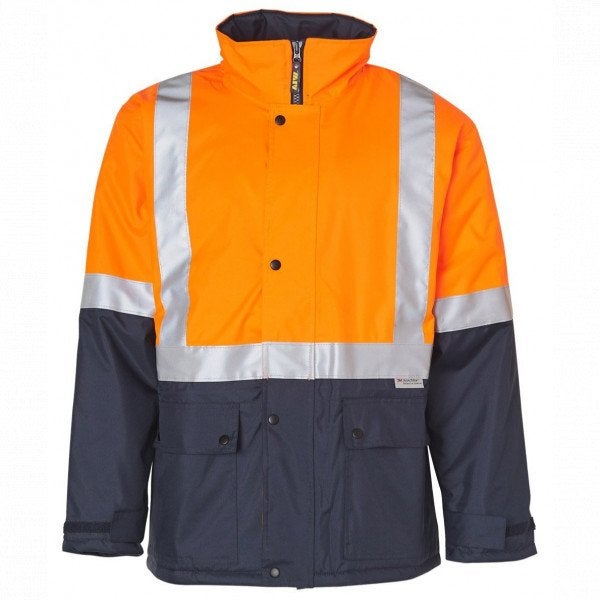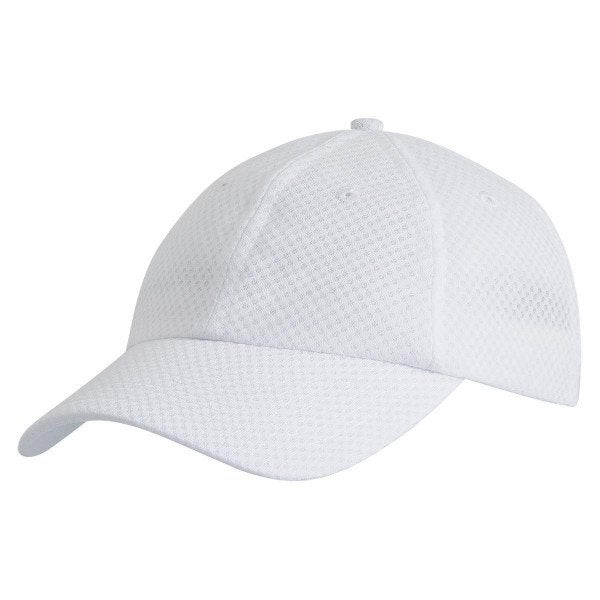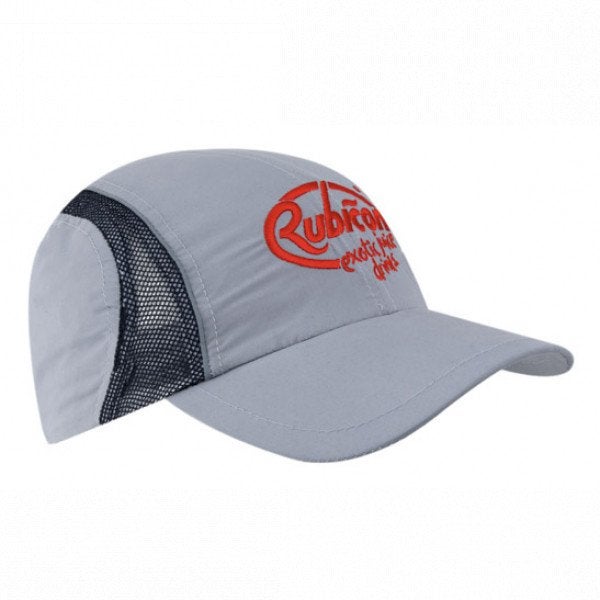
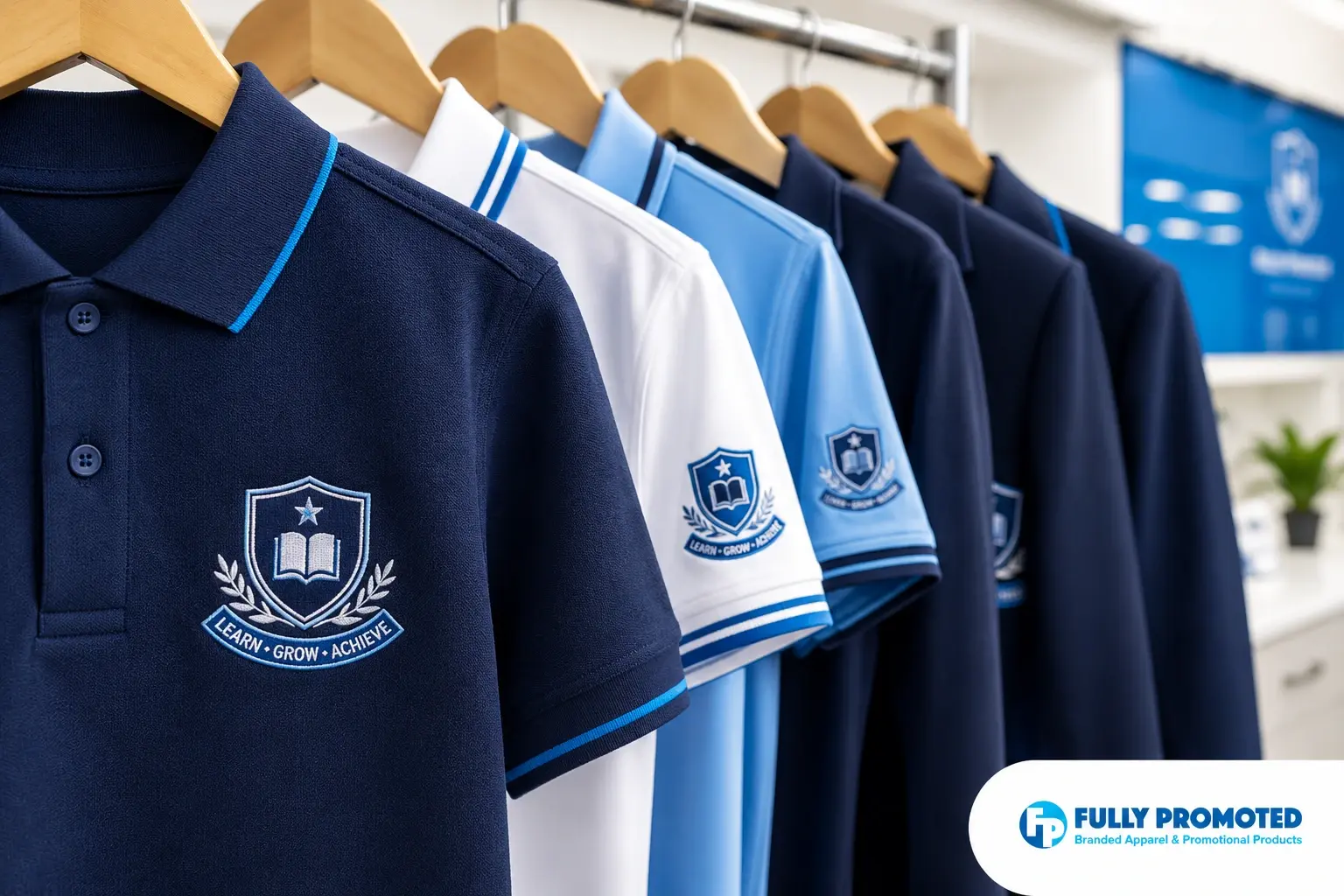
A Brisbane school should consider changing its uniform supplier when repeated problems are affecting families, students or school staff. Common warning signs include unavailable sizes, inconsistent fit, poor fabric performance, missed delivery dates and slow communication.
The strongest reason to switch is not simply to find a lower price. It is to create a more reliable uniform program with clearer costs, consistent quality, easier ordering and responsive support. These improvements can reduce parent frustration and the time school or P&C staff spend resolving avoidable issues.
This guide explains why Brisbane schools change uniform suppliers, how to decide whether a change is justified, and how to move to a new provider without creating unnecessary disruption for families.
Most schools don't change suppliers on a whim. It's usually the result of small problems building up over several terms. The most common reasons include:
Poor uniform quality: fabric that fades, shrinks, or pills after a few washes
Incorrect sizing: inconsistent size charts that lead to constant exchanges
Delivery delays: orders arriving after the term has already started
Limited product range: no options for sports uniforms, wet-weather gear, or senior jerseys
Poor communication: slow responses, unclear order status, no single point of contact
Lack of local support: dealing with a call centre instead of someone who understands the school
Outdated ordering systems: no online ordering, long queues at uniform shop days, or manual paperwork
Any one of these on its own might be manageable. Together, they usually push a P&C committee or school business manager to start looking elsewhere.
A single late order may not justify replacing a supplier. A pattern of unresolved issues is more important. Schools should look for evidence across several ordering periods rather than relying on one complaint.
Frequent stock shortages: parents repeatedly cannot buy common sizes or core items when they need them
Ongoing sizing problems: families make avoidable exchanges because measurements or garment fits are inconsistent
Repeated quality complaints: fading, shrinking, pilling or stitching problems continue after feedback
Missed delivery commitments: orders arrive later than agreed, with little warning or a clear recovery plan
Growing administration workload: school or P&C staff spend too much time chasing orders and responding to parent concerns
Limited capacity to adapt: the supplier cannot support changing enrolment, size, sportswear or event apparel needs
Documenting these patterns gives the school a fair basis for reviewing the arrangement and helps prospective suppliers understand what must improve.
Changing supplier should deliver practical value for the whole school community. The expected improvements should be clear before any contract or order is approved.
Availability: more dependable access to core garments and frequently requested sizes
Parent experience: a clearer ordering, payment, collection and exchange process
Quality and consistency: approved samples, repeatable colours and sizing, and garments suited to regular school wear
Cost transparency: clear pricing for initial orders, reorders, decoration and smaller quantities
School administration: fewer follow-ups, complaints and urgent fixes for school or P&C staff
Future flexibility: support for sports uniforms, staff apparel, senior garments and school events when required.
Price still matters, but the lowest unit cost can become poor value if it creates frequent replacements, delays or extra administration. Compare the full service offered, not only the garment price.
Before switching, give the current supplier a clear summary of the issues and the standard the school expects. Agree on measurable actions, such as updated size information, confirmed delivery dates or a named contact, and review whether performance improves.
Keeping the current supplier may be sensible when problems are isolated and corrected quickly. A change is easier to justify when the same issues keep returning, agreed improvements are not delivered, or the supplier can no longer meet the school's essential requirements.
A practical review point is before a contract renewal, uniform redesign, new sportswear program or another major ordering cycle. Schools can also review the arrangement after collecting parent feedback at the end of a term.
Avoid committing to a last-minute change immediately before a peak ordering period unless stock, sizing, ordering and parent communication are already confirmed. Working backwards from the preferred launch date gives the school time to compare samples, review terms and plan an overlap period.
Once the school has a clear reason to change, the following steps help turn the decision into a controlled transition.
Before contacting a new supplier, it helps to understand exactly what you're working with now. This step is about gathering facts, not making decisions yet.
Look at:
Existing contracts: is there a notice period, exclusivity clause, or minimum order commitment?
Supplier commitments: what was promised at the start of the relationship, and what's actually being delivered?
Current stock levels: how much uniform stock does the school or P&C shop currently hold?
Existing uniform designs: logos, colours, embroidery files, and any artwork the school owns
Parent feedback: complaints or comments collected over the past year or two
Common problems that need solving: the specific issues driving the change
This review does two things. It protects the school from any contractual surprises, and it gives you a clear brief to hand to prospective suppliers, so they understand exactly what needs to improve.
A smooth supplier change usually takes longer than schools expect. Rushing it is one of the main reasons parents end up frustrated. A realistic school uniform transition timeline generally includes these stages:
Research suppliers: build a shortlist of local options
Compare options: pricing, quality, service, and range
Request samples: test fabric and fit before committing
Approve designs: confirm logos, colours, and embroidery placement
Communicate changes: inform parents well ahead of the switch
Manage stock transition: plan how existing uniform stock will be used or phased out
Launch new supplier: begin taking orders through the new provider
The timing depends on the size of the uniform range, contract requirements, sampling, design approval and parent communication. Building in extra time at the start reduces the risk of a rushed launch.
This is the decision that matters most. A school uniform supplier should be judged on more than price alone. Useful selection criteria include:
Uniform quality: how the fabric performs after repeated washing and everyday wear
Fabric durability: suitability for Brisbane's climate and active school days
Pricing transparency: clear costs with no hidden fees for reorders or small runs
Customer service: a responsive contact who understands school ordering cycles
Delivery reliability: consistent turnaround, especially before term starts
Customisation options: embroidery, printing, and sizing flexibility
Experience supporting schools: a track record with other Brisbane schools or P&C committees
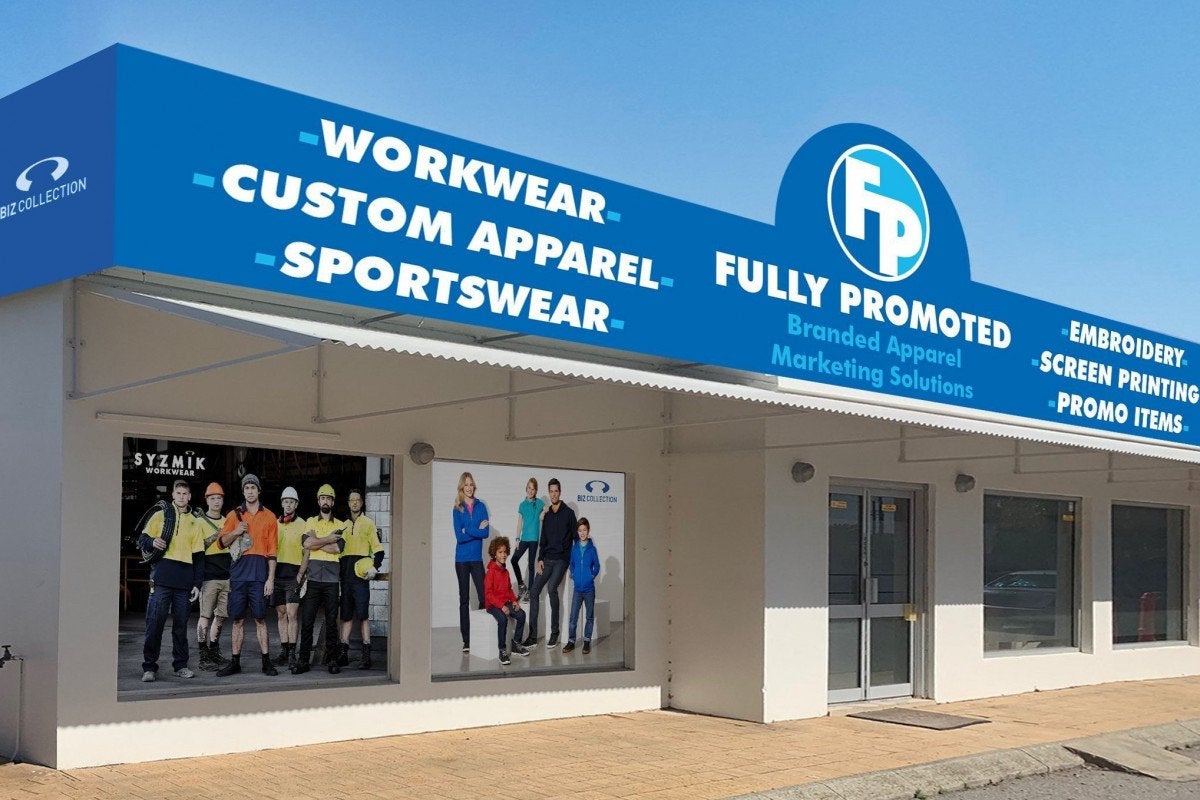
Schools looking for reliable school uniform solutions can explore Fully Promoted Tingalpa's custom branded apparel solutions, which cover everything from everyday uniforms to sports and event wear for local schools.
One of the biggest risks in a supplier change is a sudden switch that leaves families stuck with uniform items they can no longer buy replacements for. To avoid this:
Avoid sudden supplier changes: don't cut over to the new provider overnight
Use an overlap period: allow both old and new stock to be worn during a transition term
Manage existing inventory: work out what current stock can still be sold or used
Replace items gradually: introduce new items as students naturally need replacements
Communicate deadlines clearly: give a firm date after which only new uniform items will be available
A gradual handover reduces pressure on families and gives the school time to sort out any issues with the new supplier before it's fully responsible for uniform supply.
Parents generally don't mind a uniform supplier change if they understand why it's happening and what to expect. Clear communication should cover:
Why the supplier is changing: a brief, honest explanation
What improvements parents can expect: better quality, sizing, or service
The new ordering process: how and where to order under the new system
Important dates: when the new supplier goes live and when old stock is phased out
Transitional arrangements: what happens to items already purchased
A short letter or newsletter update, followed by answers to common uniform questions on the school website, covers most parent concerns before they turn into phone calls to the front office.
Rather than switching every uniform item at once, many schools reduce risk by starting with a smaller category first, such as:
Sports uniforms
Staff uniforms
Graduation or leavers' clothing
Event apparel
A smaller rollout gives the school a chance to test fit, quality, and the ordering process with the new supplier before committing to the full uniform range. It also gives parents a low-stakes way to experience the new supplier before everyday uniforms change over.
The transition doesn't end once the new supplier is live. The first term with a new provider is when most sizing and delivery issues surface. Schools should:
Collect parent feedback through a short survey or feedback form
Track any delivery issues as they happen
Review sizing concerns and pass them back to the supplier
Maintain regular communication with the supplier, not just at reorder time
Use this feedback to improve ordering and communication for future terms
This step turns the transition into an ongoing relationship rather than a one-off changeover, which is usually where the real value of a good local supplier shows up.
Fully Promoted Tingalpa works with Brisbane schools and organisations on branded clothing, from everyday uniforms through to sportswear and staff apparel. As a local Tingalpa-based supplier, the team can meet with school representatives directly rather than leaving communication to a call centre.
For schools that want to reduce risk, a transition can start with a smaller project, such as sports uniforms or staff wear, before moving to a full uniform changeover. This flexible approach fits naturally with the staged rollout described above, and it means a school isn't locked into a full switch before it's had a chance to see how the new supplier performs.
Schools can discuss their requirements and contact Fully Promoted Tingalpa to talk through what a transition would look like for their specific situation.
Schools that want to see the kind of work involved can also look at uniform and apparel project examples before getting in touch.
A school should consider changing suppliers when repeated stock, sizing, quality, delivery or communication problems affect families and remain unresolved. The aim should be a more reliable service, not change for its own sake.
Review the supplier before a contract renewal or major ordering cycle, and after collecting feedback from parents and staff. Allow enough lead time for samples, approvals, stock planning and communication.
The timing varies with the number of garments, contract requirements, sampling, approvals and stock arrangements. Schools should work backwards from the preferred launch date and allow time for parent communication and an overlap period.
Plan an overlap period rather than a sudden cutover, communicate clearly with parents well in advance, and consider starting with a smaller uniform category before rolling out the full range.
Look at uniform quality, fabric durability, pricing transparency, customer service, delivery reliability, customisation options, and the supplier's experience working with other schools.
No. A gradual handover, where existing stock is worn out or sold before being fully replaced, is generally easier on families and reduces pressure on the school during the changeover.
A clear letter or newsletter update explaining the reason for the change, key dates, and the new ordering process, supported by an FAQ page on the school website, covers most of what parents need to know.
A local supplier can meet directly with school staff, respond quickly to sizing or delivery issues, and offer a staged rollout rather than requiring the whole uniform range to change at once.
Create exactly the look you want with a variety of branding options. Our experts can help you discover which techniques will best represent your brand and your budget.
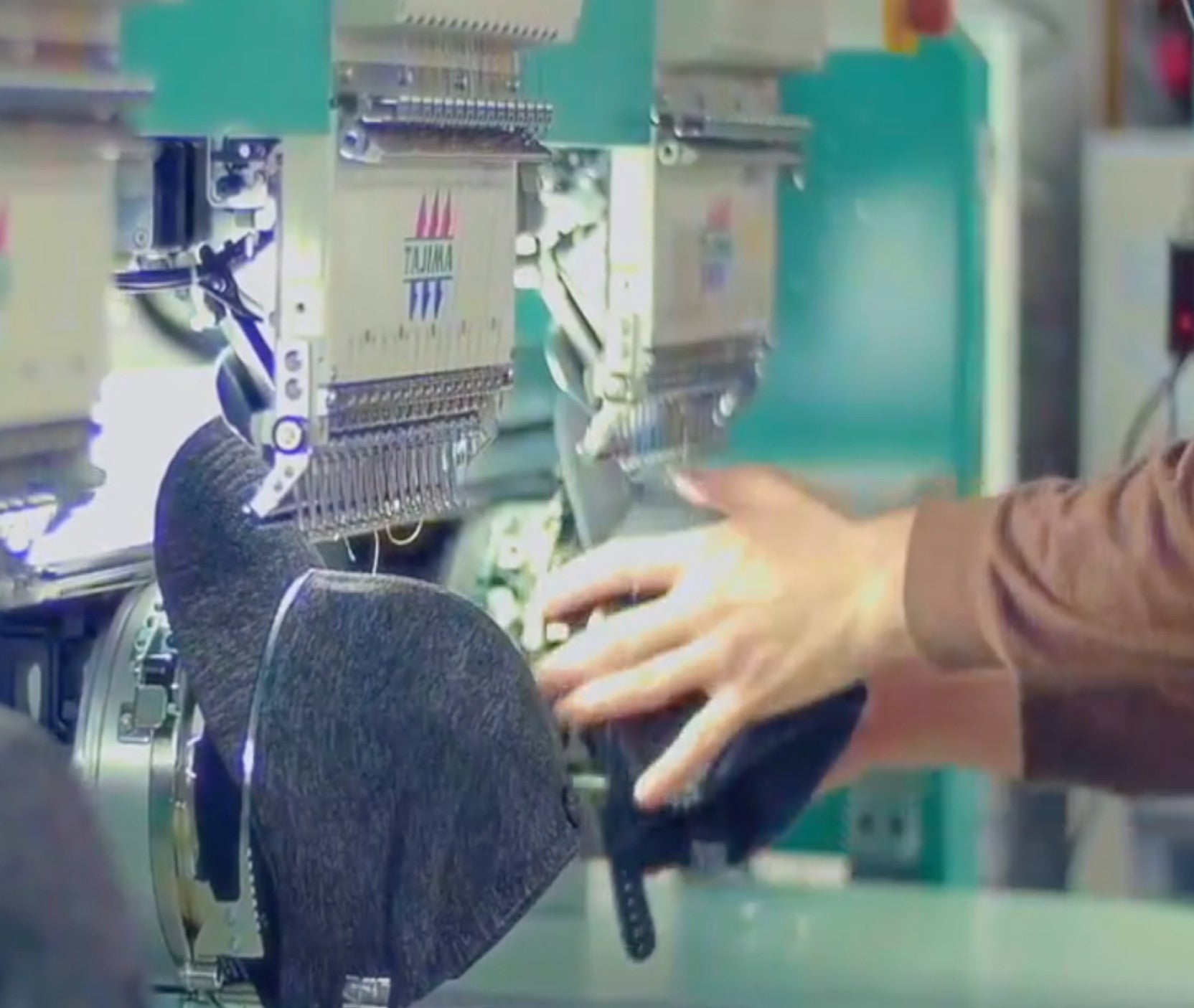
Whether it’s embroidery for your garments, screen printing for a run of apparel, or the latest in branding technology with direct to transfer printing, Fully Promoted has you covered.
Contact Fully Promoted today.

























Join our winning team and own your future with
Fully Promoted - the largest promotional franchise
in Australia.
Apply Today!
>



 Industries