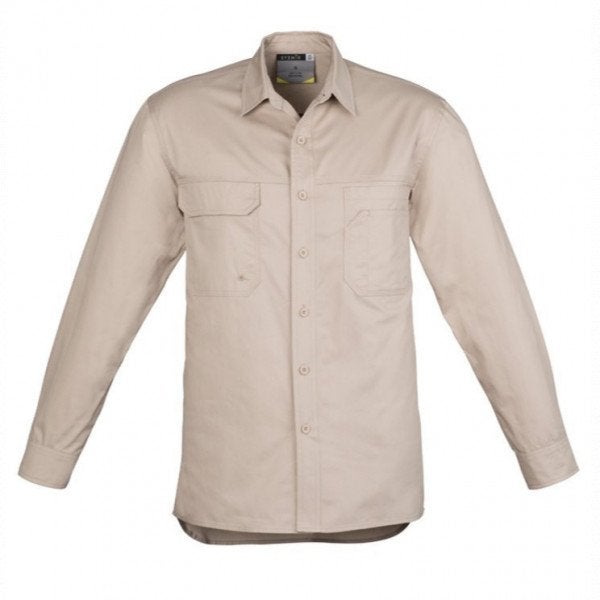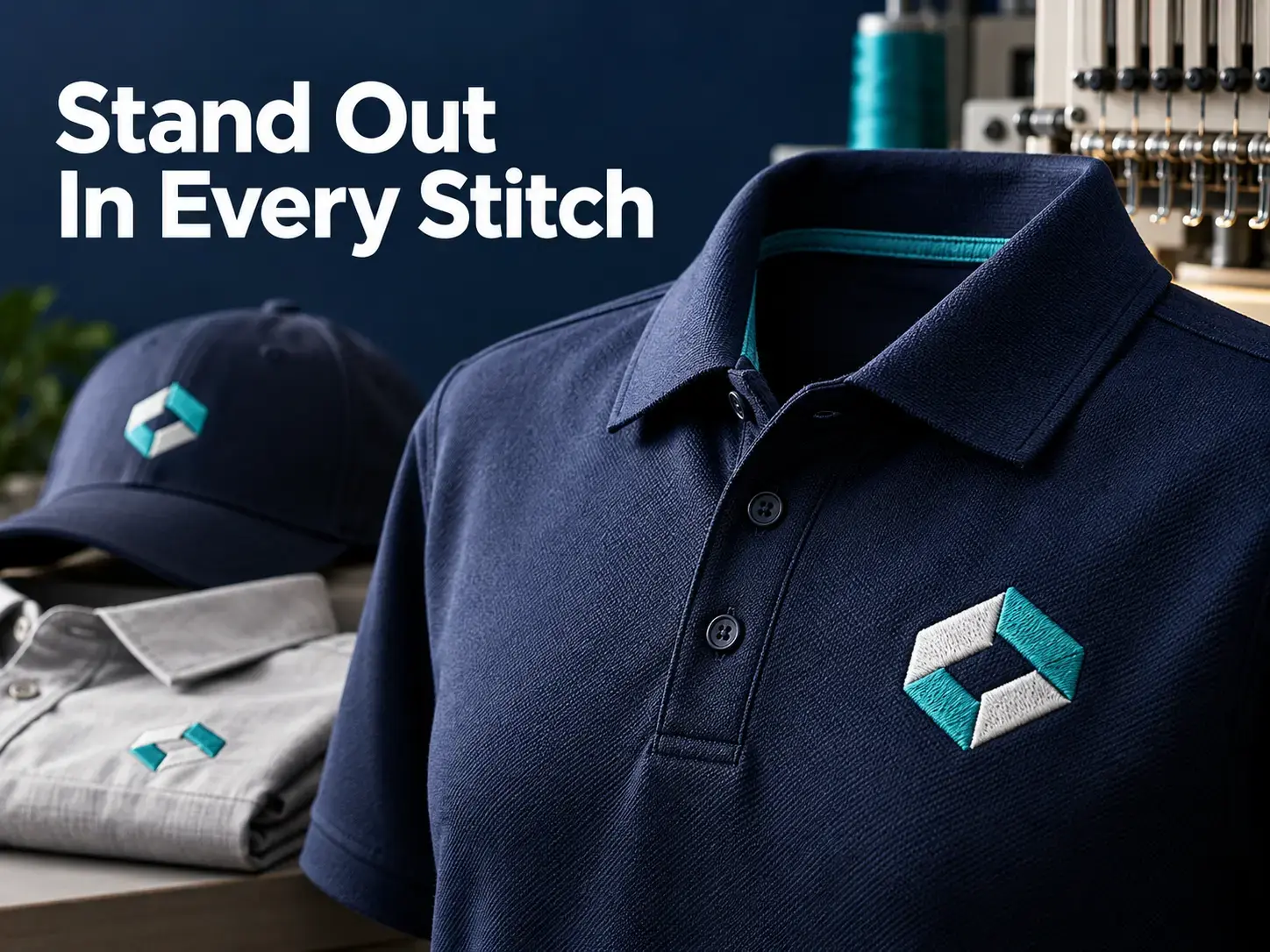
Custom embroidery gives business uniforms a distinctive, textured finish that makes your logo part of the clothing. A clearly stitched business name helps customers recognise your team, while coordinated branding brings different garments together. The strongest result comes from getting four things right: the garment, logo design, thread colours and placement. Here is how to make those choices work for your business.
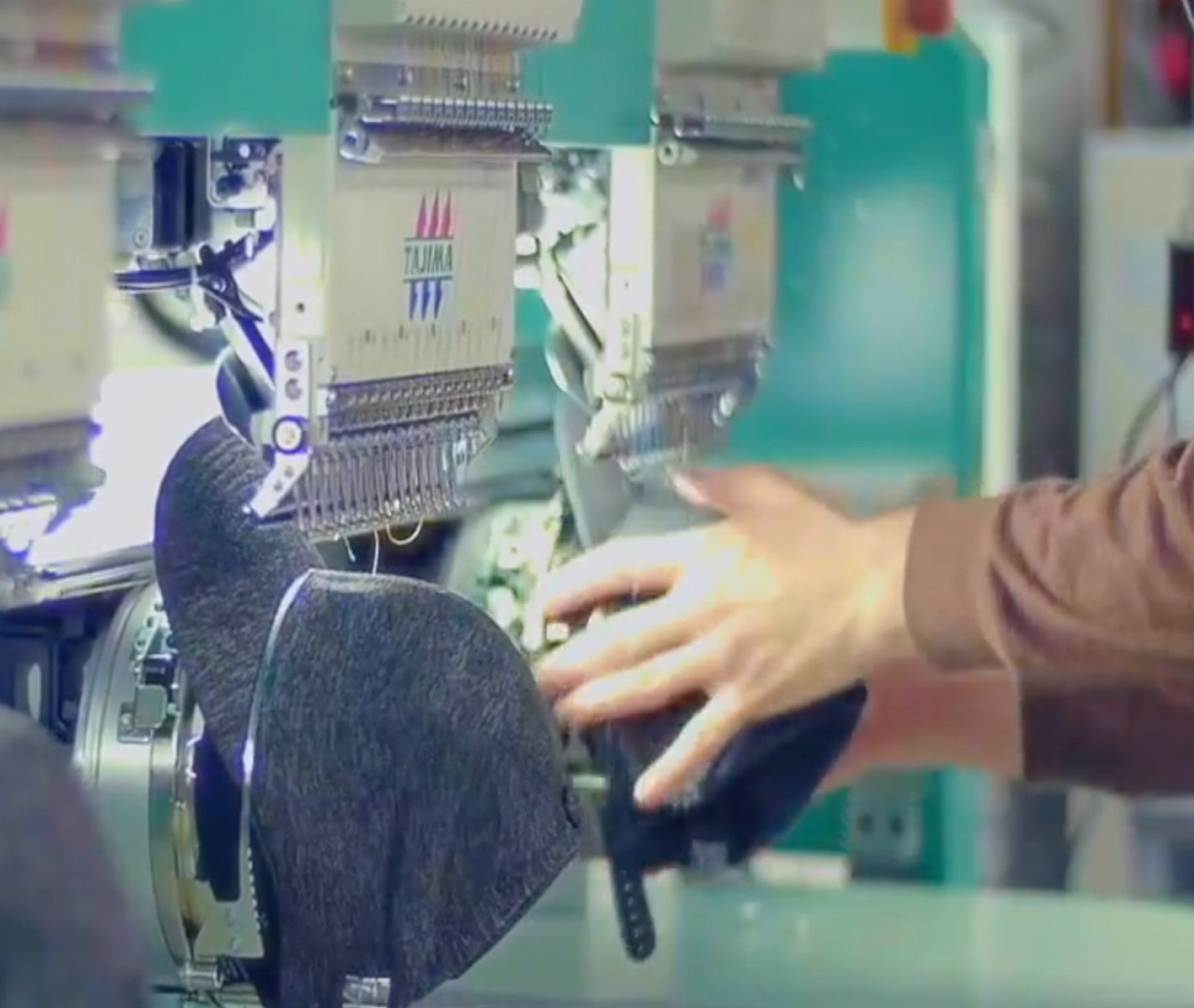
Custom uniform embroidery uses a programmed machine to stitch a logo, business name or other design into fabric. Before stitching begins, the artwork is converted into an embroidery file through a process called digitising.
This file tells the machine how to build the design with thread. The finished result has a raised texture that gives suitable uniforms a distinctive appearance.
Fully Promoted Springfield's custom logo embroidery services include matching the artwork to suitable garments and providing embroidered swatch samples so customers can assess the finish.
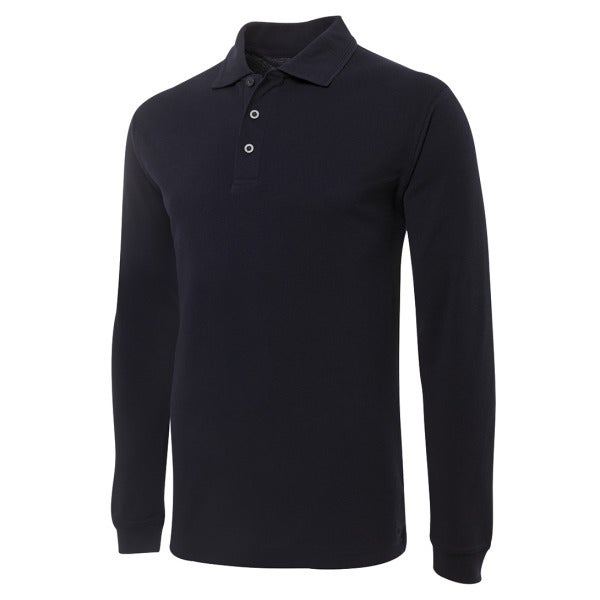
A plain polo becomes recognisable business clothing when it carries a well-positioned logo. Embroidery adds texture and definition, making it particularly effective for smaller branding on suitable shirts, polos and outerwear.
The finish should suit the way your business presents itself. A discreet logo might work well for a professional services team, while a clearly contrasting business name may suit a mobile technician.
More decoration is not always more effective. A readable logo with space around it often creates a cleaner result than several competing messages.
Customers should not have to guess who works at your business. A visible company logo helps distinguish staff from visitors, particularly in retail, hospitality and customer service settings.
Names or role descriptions can provide an additional cue where appropriate. For example, a café might use a business logo on the apron and a short staff name above it.
Keep personalisation purposeful. Long job titles and small lettering can crowd the design and become difficult to read.
Your receptionist, delivery driver and workshop team may need different clothing. Consistent embroidery can give them a shared identity without requiring identical garments.
For example, a property maintenance business could choose:
Business shirts for office staff.
Work polos for customer visits.
Suitable work shirts for outdoor duties.
Coordinated jackets for cooler mornings.
Using an agreed logo version, thread palette and placement approach helps the range look connected. Garment comfort and fit should still be decided around each role.
Well-executed embroidery on a suitable garment can cope with regular wear and washing. However, its appearance over time depends on the fabric, thread, stitching and care.
It is sensible to assess the whole uniform rather than the logo alone. Strong embroidery will not compensate for a shirt that loses its shape or a garment that is uncomfortable to wear. Lightweight fabrics and dense designs require particular care when selecting the decoration.
A logo that looks sharp on a website may need adjustment before it works in thread. Screen artwork can contain details that become difficult to reproduce at chest-logo size.
Fine outlines, tiny lettering and colour gradients can lose definition in embroidery. Ask whether the design needs a simplified version before approving production.
For example, a logo with a business name, illustration, tagline and web address may be too crowded for a small chest position. Keeping the business name and main symbol could produce a clearer result.
Any changes should be approved against your brand requirements rather than made without your knowledge.
Thread colours need to work against the fabric behind them. A dark logo can disappear on a dark shirt even if it looks attractive on a white screen.
Ask to see the proposed thread colours alongside the chosen garment. If you are ordering both light and dark clothing, you may need an approved alternate logo colour combination.
The aim is recognisable branding across the range, rather than forcing one colour version onto every item.
An enlarged digital proof can make small lettering appear more readable than it will be on clothing.
Review the proposed dimensions and, where possible, an embroidered sample. Look for:
Clear lettering and recognisable shapes.
Suitable contrast between thread and fabric.
Smooth fabric around the design.
A comfortable finish on the inside.
Proportions that suit the garment.
A swatch shows the stitching, but a sample on the intended garment provides a better opportunity to assess placement and how the fabric behaves.
The best embroidery position is visible, balanced and practical.
Left chest: A useful starting point for many polos, business shirts and jackets. Check its relationship to pockets, buttons and seams.
Sleeve: Can suit secondary branding, provided the design remains readable and is not hidden by a jacket or other equipment.
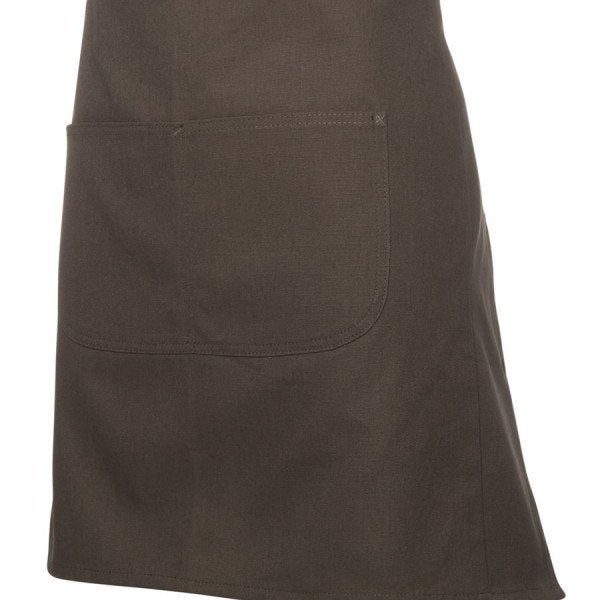
Apron front: Offers a prominent position for hospitality branding. Check where straps, folds and pockets sit when the apron is worn.
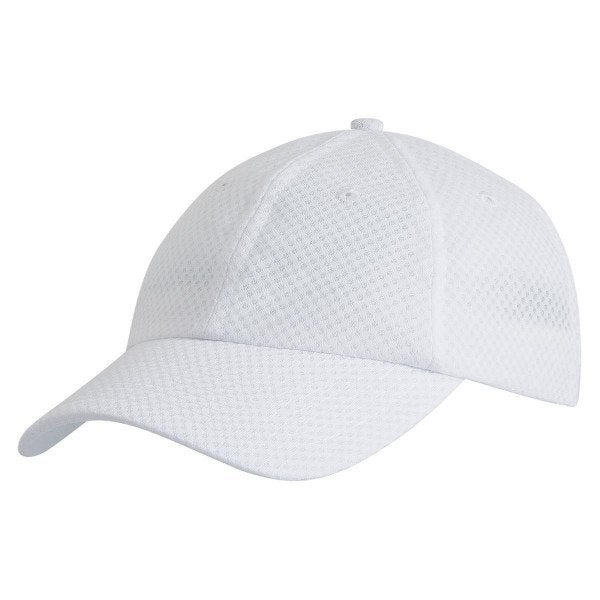
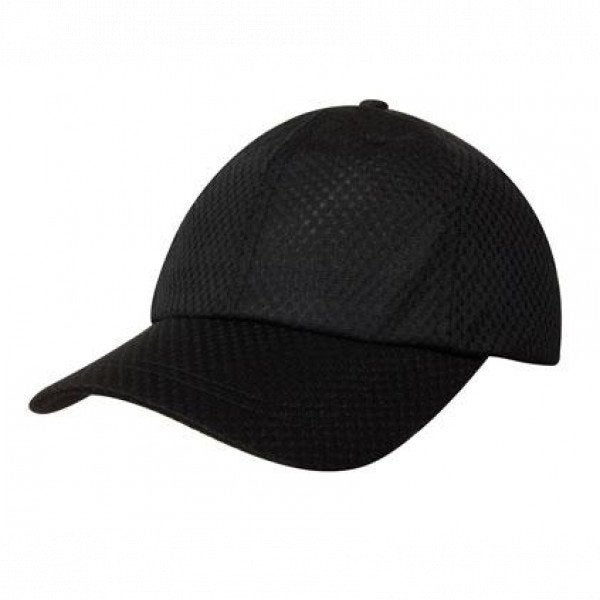
Cap front: Needs a design suited to the available space and construction of the cap. Do not assume the shirt embroidery file can be used unchanged.
Jacket chest or back: Consider whether bags, straps or outer layers will cover the design. Large embroidered areas also require careful assessment of weight and cost.
Try the clothing on before finalising unusual placements. A logo that looks centred on a flat garment may sit differently on the wearer.
Many polos, business shirts, work shirts, aprons, caps and selected jackets can be embroidered. Suitability depends on the individual garment and design, not simply the product category.
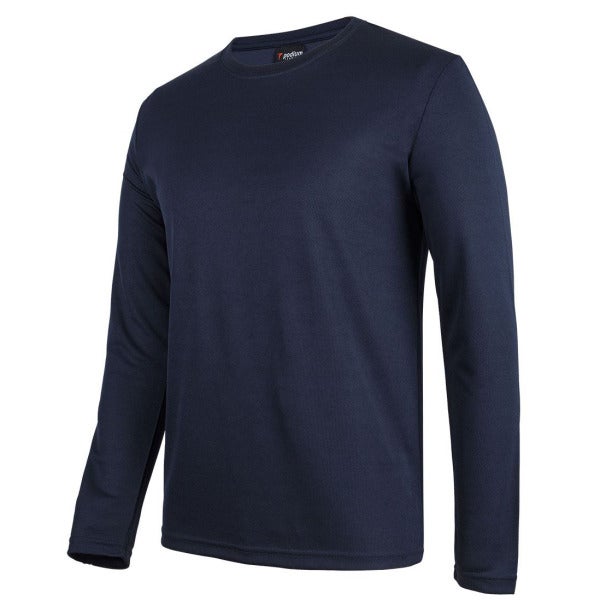
Embroidered polo shirts are a practical option for teams needing a relaxed but coordinated appearance. Business shirts can suit reception, office and client-facing roles.
With lighter shirts, ask the embroiderer to assess the design’s density and size so it does not overwhelm the fabric.
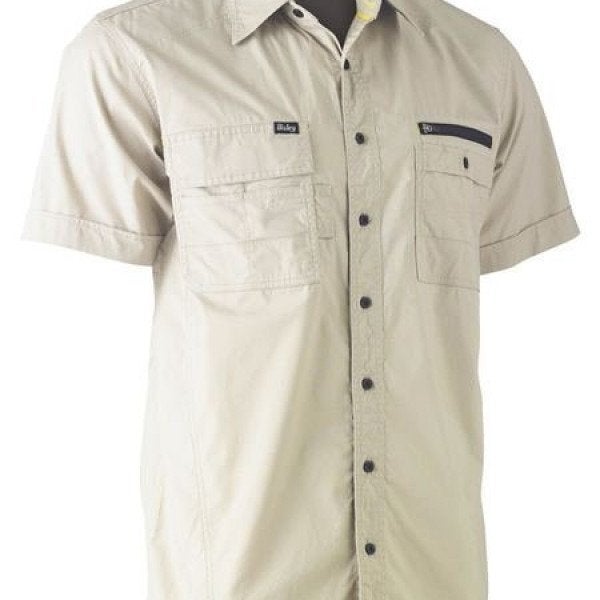
Work shirts can provide a suitable base for company logos, but garment function comes first.
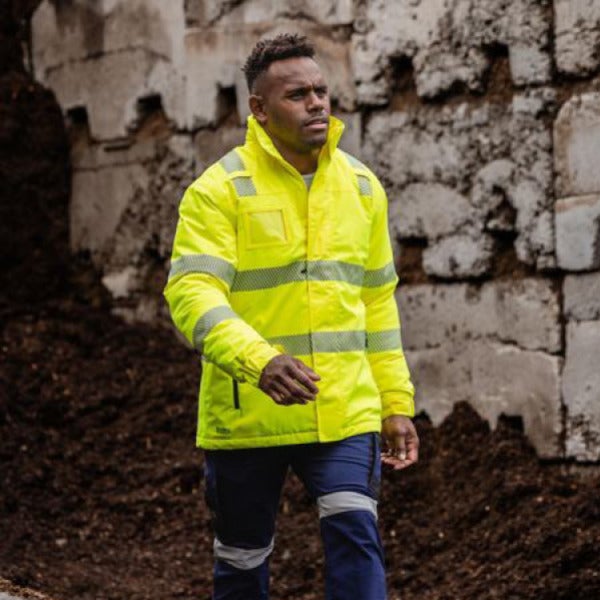
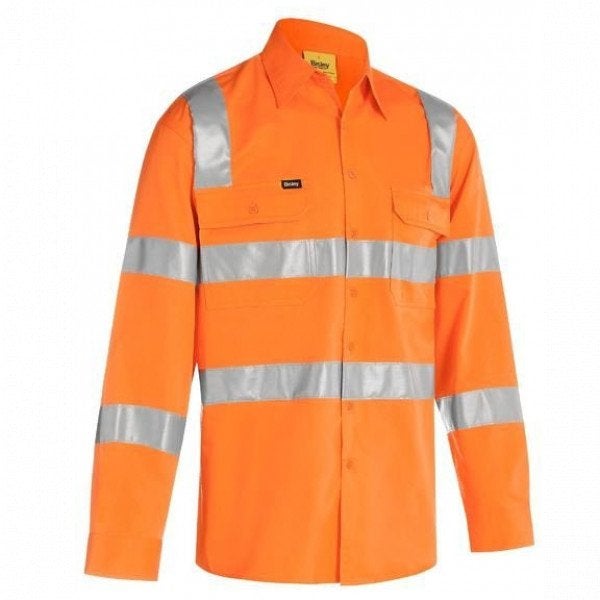
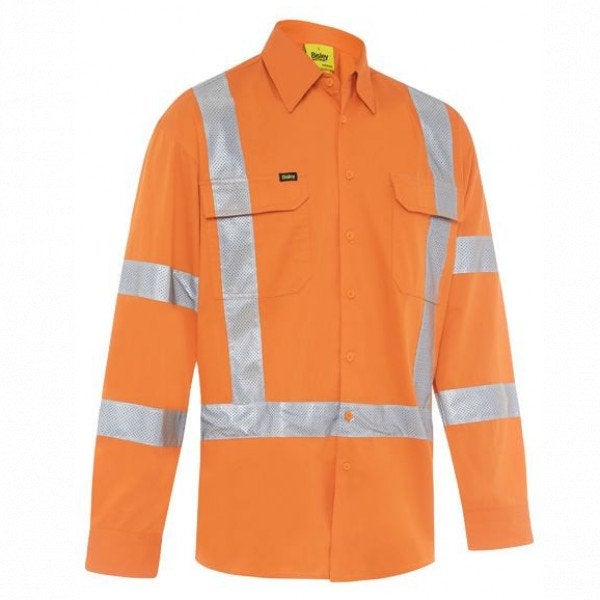
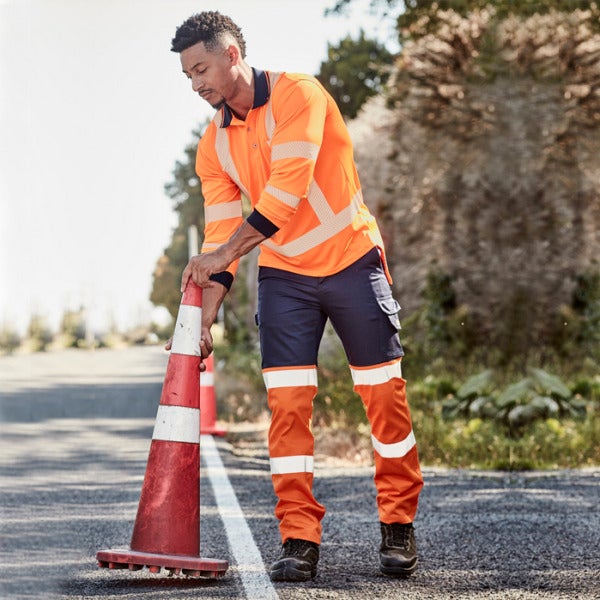
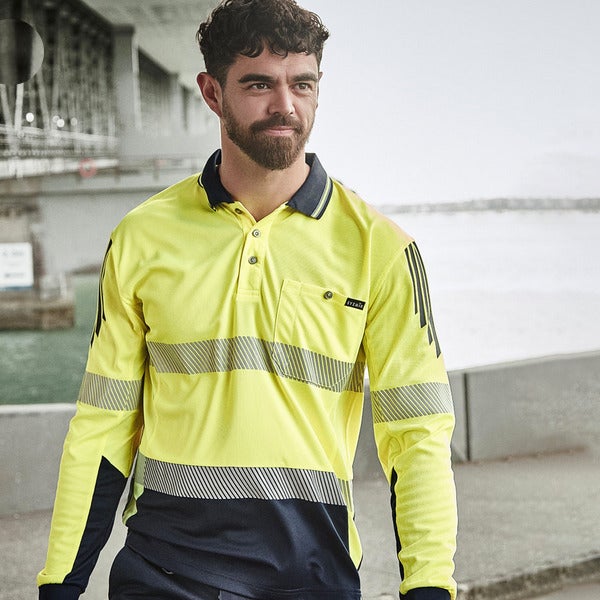
For hi-vis clothing, have the supplier check branding placement against the garment’s visibility requirements. Embroidery should not be positioned casually over reflective tape or other functional features.
Outerwear keeps your branding visible when staff cover their shirts in cooler weather. Construction, lining and access to the decoration area affect what is possible.
Compare jackets suitable for embroidery before choosing a style. Weather-protective garments need particular assessment because needle penetration may affect their performance.
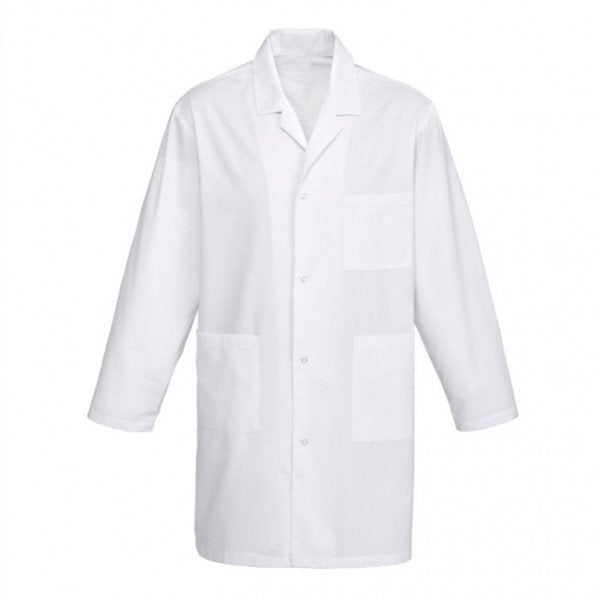
Aprons can carry a clear business logo without adding extra decoration to the shirt underneath. Selected scrubs and tunics may also suit embroidery, subject to their fabric, construction and workplace requirements.
For either application, consider frequent laundering and how the inside of the embroidery will feel during a full shift.
Embroidery is one option within a wider uniform branding plan. Printing may be more appropriate for large graphics, photographic artwork, fine colour transitions or garments that cannot comfortably support the stitching.
You can also combine methods. A trade business might use an embroidered chest logo with a printed business name on the back, subject to garment suitability.
Ask your supplier to compare the options using the actual artwork and clothing. Fully Promoted identifies fine detail and large designs as important limitations to consider when choosing embroidery.
Your quote should account for the garment and the decoration separately enough for you to understand what you are buying.
Common cost factors include:
Garment style and quantity.
Logo size, stitch count and design complexity.
Digitising or artwork preparation.
Number of embroidery positions.
Individual staff names or other variations.
Delivery and any agreed additional services.
A design with fewer colours is not automatically cheaper. The amount of stitching and production work also matters.
Before comparing suppliers, check what affects logo embroidery costs. Confirm whether each quote includes the garments, setup, GST and the same branding requirements.
A clear brief helps your supplier recommend suitable options and price the work accurately.
Send:
Your best available logo file, along with brand colour references.
The garments you need, including styles you already use.
Approximate quantities and sizes, with individual names listed separately.
Preferred logo positions, plus any required dimensions.
Your deadline and delivery postcode.
Relevant work requirements, including laundering, visibility or protective clothing needs.
When ordering corporate uniform embroidery, confirm the approval process, sample arrangements and production schedule before committing.
Keep the approved artwork details and order reference. They will help when discussing additional clothing for new staff.
Small orders may be possible, depending on the supplier, garments and decoration requirements. Setup costs can represent a larger share of the total when spread across fewer items.
Ask for a quote based on the quantity you actually need, along with any applicable minimum order.
Possibly, but the supplier needs to assess the garments first. Fabric, construction, condition and access to the proposed logo position all affect suitability.
Check before purchasing blank clothing specifically for embroidery.
The branding can be coordinated, but different surfaces may require adjustments to the embroidery file, size or stitching.
Approve the result for each garment type rather than assuming one sample represents the entire order.
Many can, but always follow the garment’s care label and the embroiderer’s instructions. Use a washing and drying method suitable for both the clothing and its decoration.
Do not apply one care routine to every item simply because they carry the same logo.
Timing depends on stock availability, artwork preparation, approval, order quantity and production capacity.
Share your required date early and confirm whether the quoted timeframe includes sourcing the garments and delivery.
A successful embroidered uniform starts with clothing your team can work in and a logo customers can recognise. Clear artwork, suitable placement and a checked sample help turn that idea into a practical finished result.
Fully Promoted Springfield can help you discuss garments and logo decoration for your business. Send your artwork, approximate quantities and required date to start planning your embroidered uniforms.
Request a Free quote and find the right combination of garment, colour and stitching for your team.
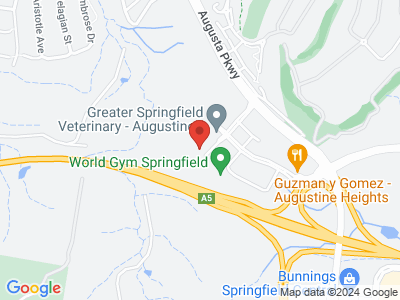
Fully Promoted Springfield
The Business Hub, Unit 5 23 Technology Drive
Augustine Heights Queensland 4300




Create exactly the look you want with a variety of branding options. Our experts can help you discover which techniques will best represent your brand and your budget.
Whether it’s embroidery for your garments, screen printing for a run of apparel, or the latest in branding technology with direct to transfer printing, Fully Promoted has you covered.
Contact Fully Promoted today.



Join our winning team and own your future with
Fully Promoted - the largest promotional franchise
in Australia.
Apply Today!
>



 Industries