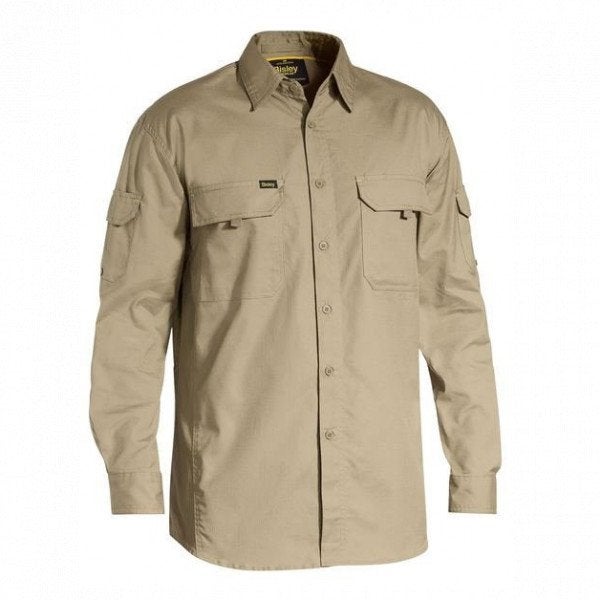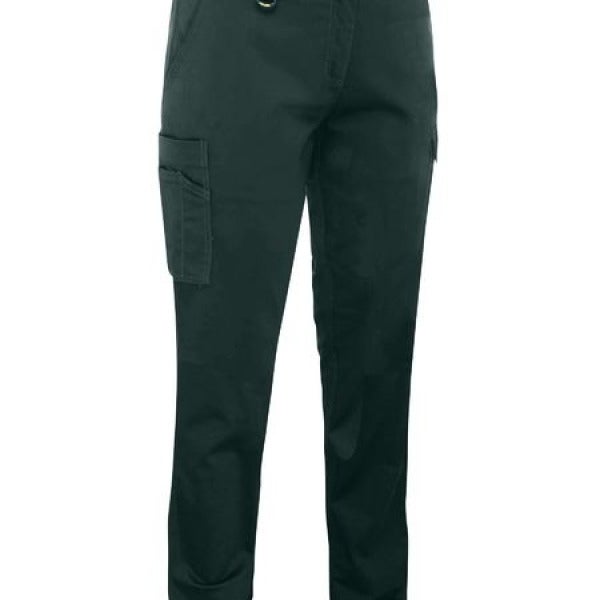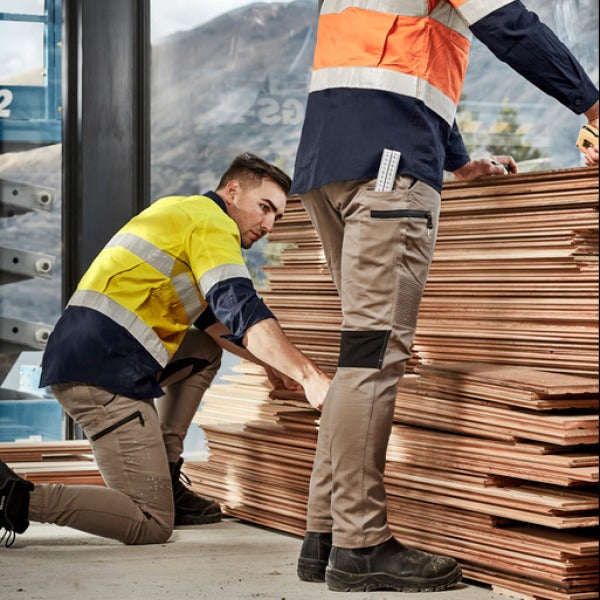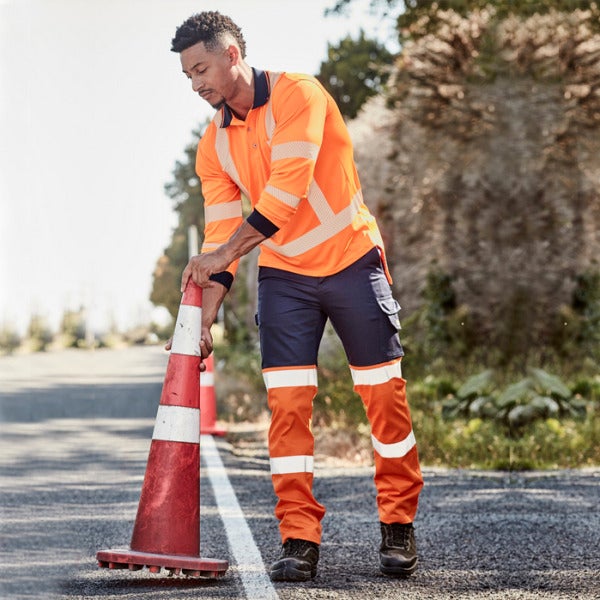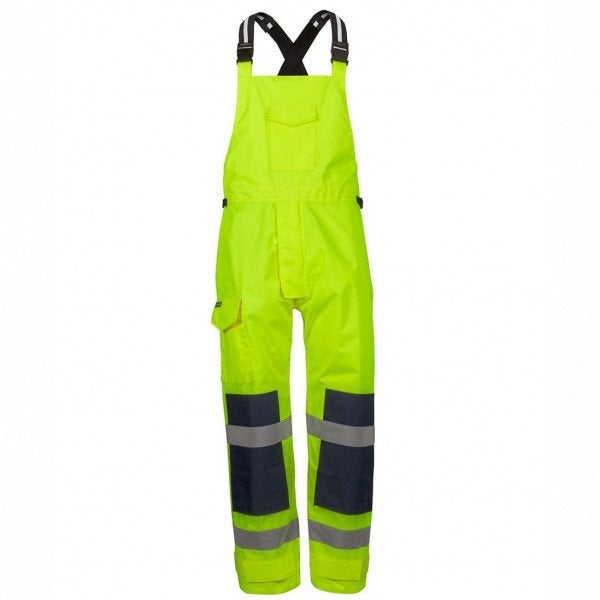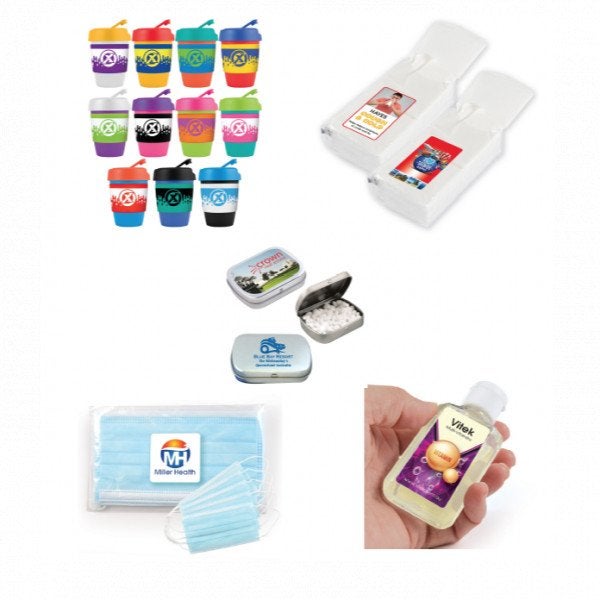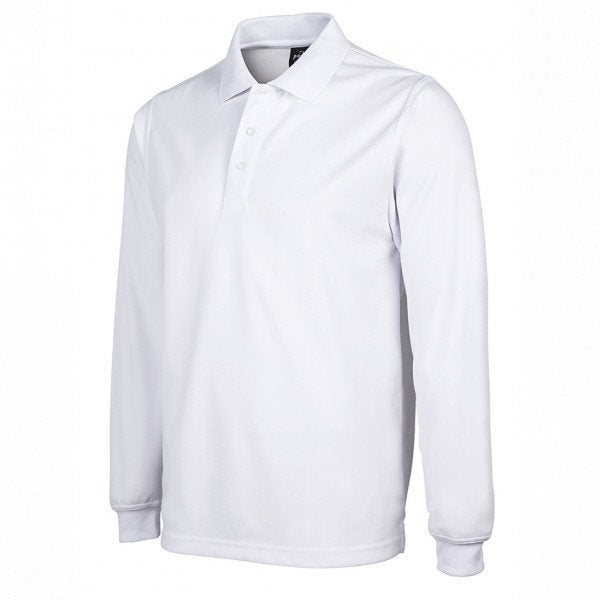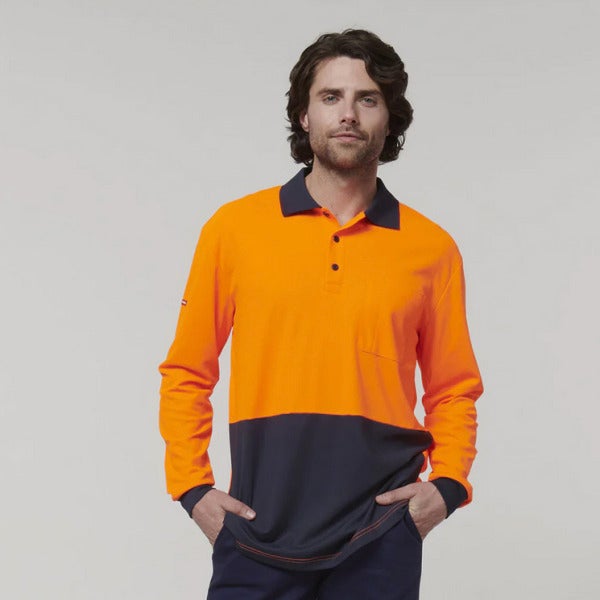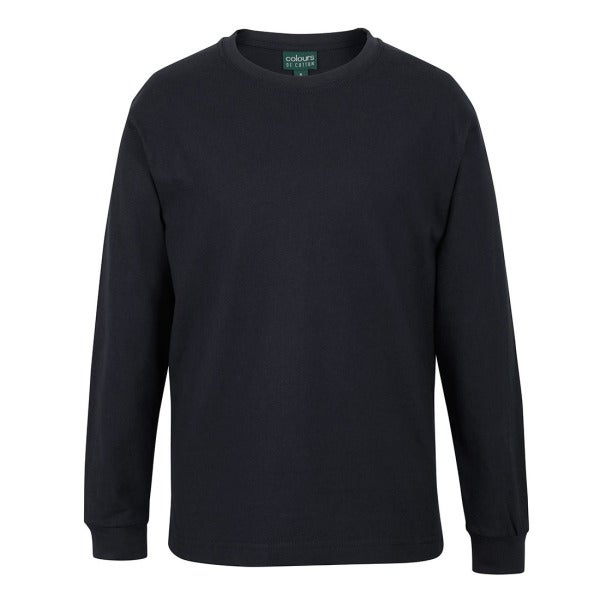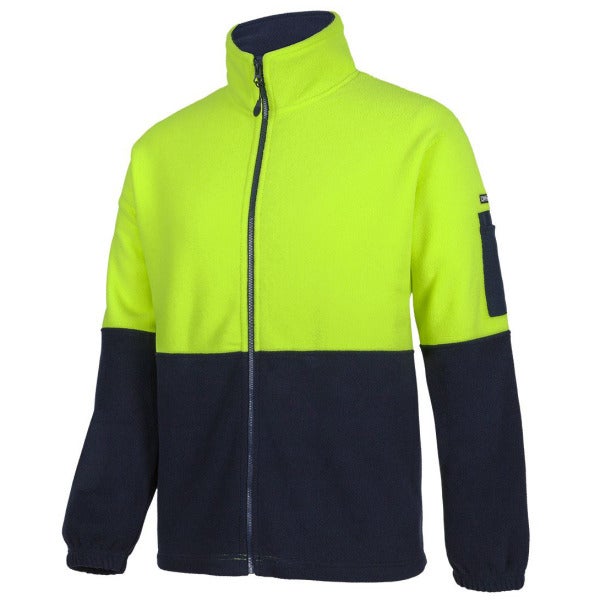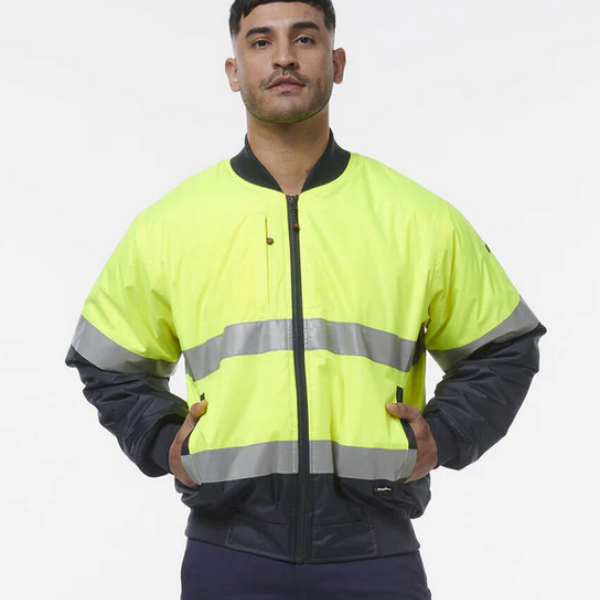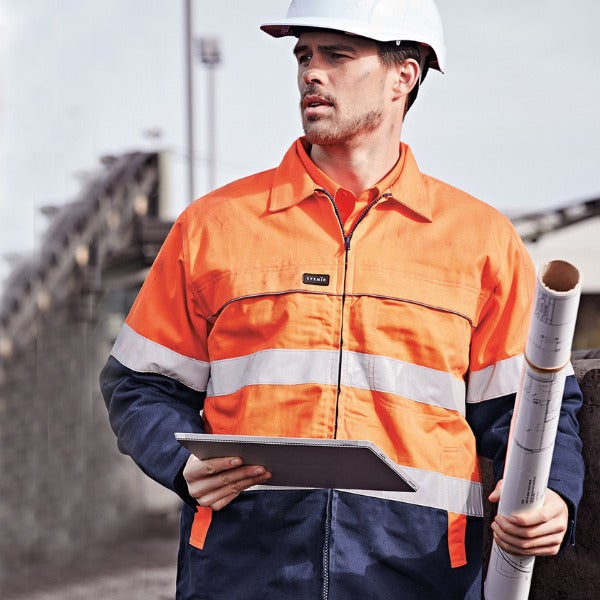
Choosing branded uniforms for an Ipswich team starts with the work your people actually do. Match each role with the right garment, fabric, fit and safety requirements. Then choose a branding method that suits the material, test samples before production and keep a record of approved garments so future orders remain consistent.
The right uniform should do more than display a logo. It should help employees work comfortably, make staff easy for customers to identify and present the business consistently across different roles and seasons.
Before requesting a quote, confirm:
which staff roles need uniforms
whether employees work indoors, outdoors or across both environments
any workplace, site or safety requirements
how much movement, heat, dirt or frequent washing the garments must handle
suitable garment cuts and size ranges for the whole team
brand colours, logo positions and any employee names or job titles
whether embroidery, printing, transfer or sublimation best suits the garment
the quantity required now and the likely need for future replacements
whether samples and an artwork proof can be reviewed before production
how approved garments and artwork will be recorded for reordering
A uniform for an office receptionist should not be selected in the same way as workwear for a technician, warehouse employee or outdoor trade crew. Before comparing polo shirts, work shirts or jackets, write down what each role involves during a normal shift.
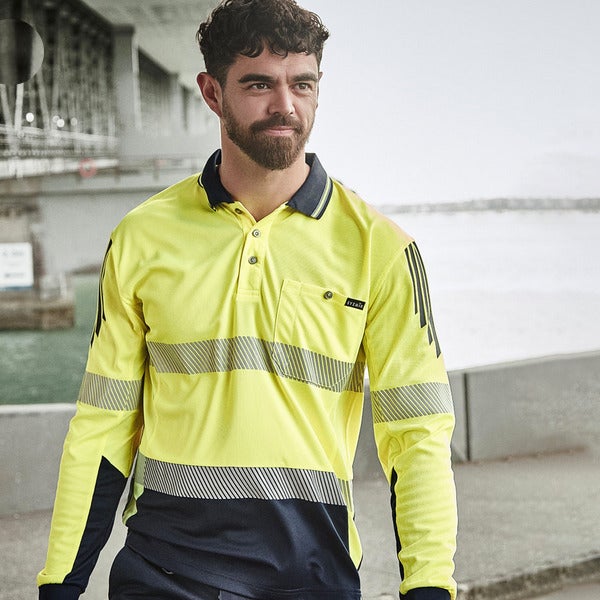
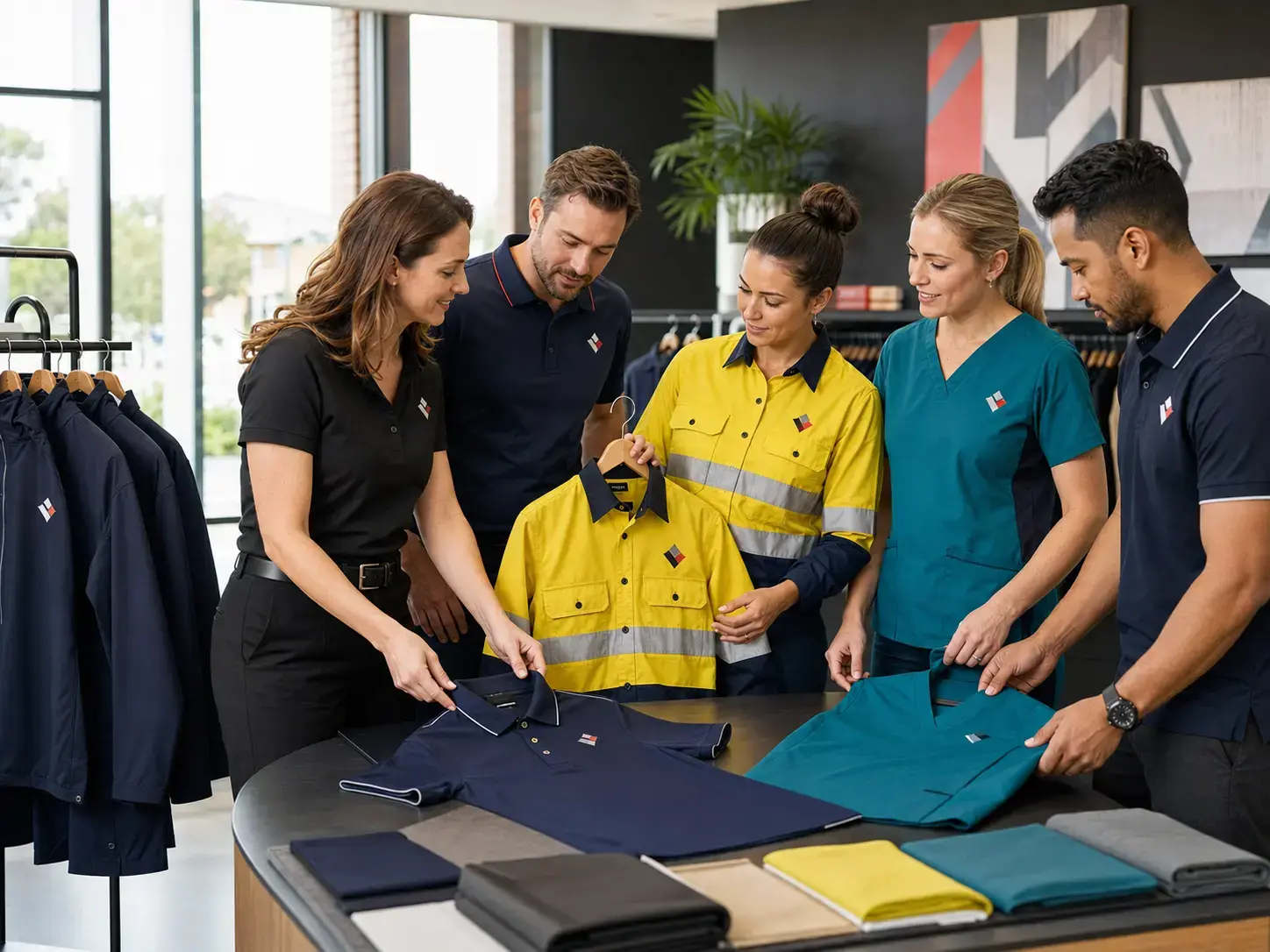
Consider how much employees move, whether they meet customers, how often they work outside and whether they need pockets, visibility, sun coverage or easy-care fabrics. A business can maintain one visual identity while giving different roles garments that suit their work.
This role-based approach is particularly relevant in Ipswich. According to Ipswich City Council's statistics, the city's leading industries by employment include health care and social assistance, education and training, and manufacturing. Each sector has different expectations for comfort, presentation, laundering and safety.
Ipswich team or industry | Practical uniform options | Main selection priorities |
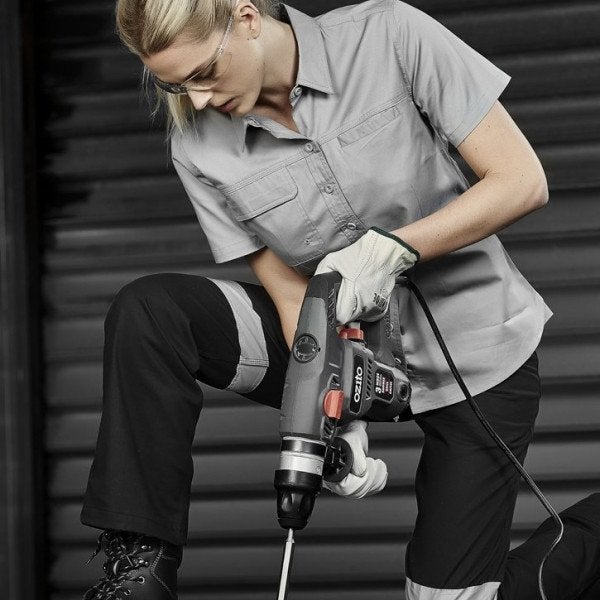
Trades, construction and maintenance | Work shirts, hi-vis garments, work polos, vests and jackets | Movement, site requirements, durability, weather and logo visibility |
Manufacturing, transport and logistics | Work shirts, polos, hi-vis clothing and outerwear | Visibility, comfort, pockets, regular washing and consistent identification |
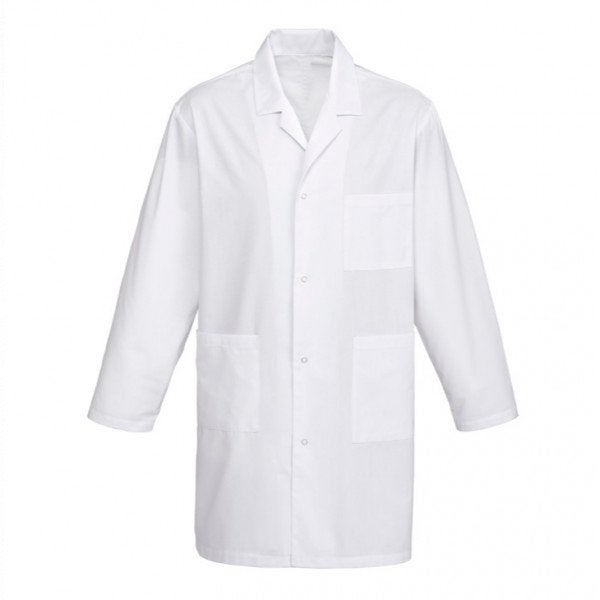
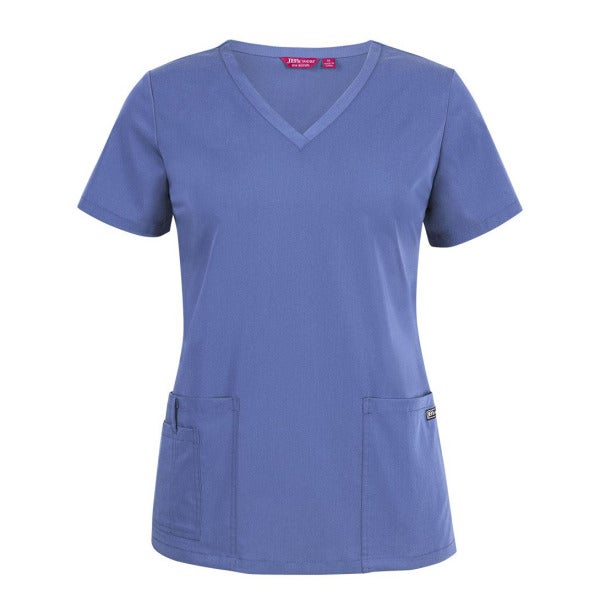
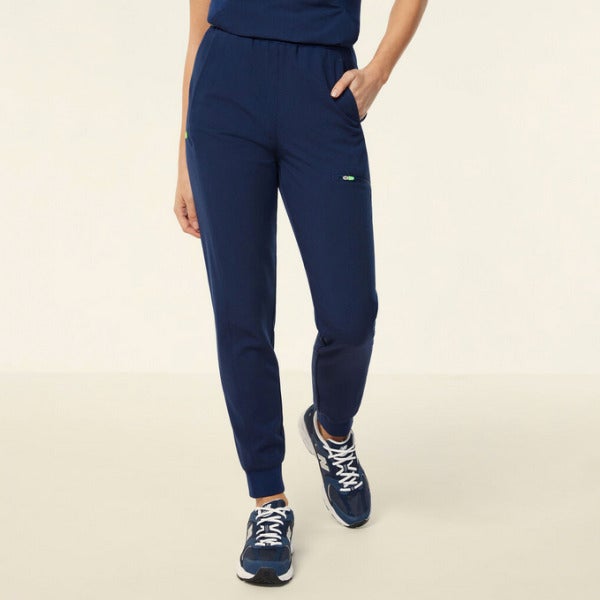
Healthcare and aged care | Scrubs, tunics, polos, pants and lightweight layers | Ease of movement, fit, laundering and clear role identification |
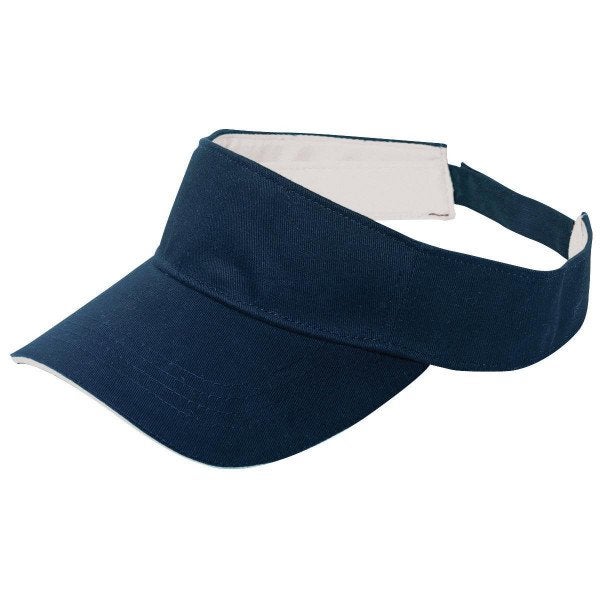
Education and childcare | Polos, shirts, tees, jackets and hats | Comfort, active movement, sun coverage and inclusive sizing |
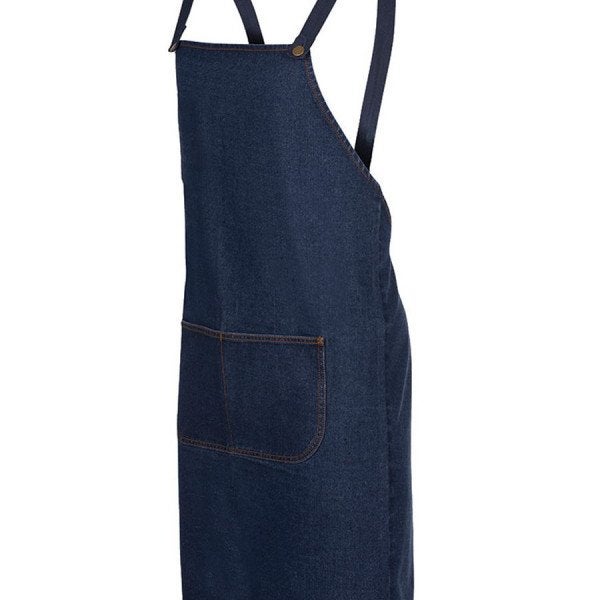
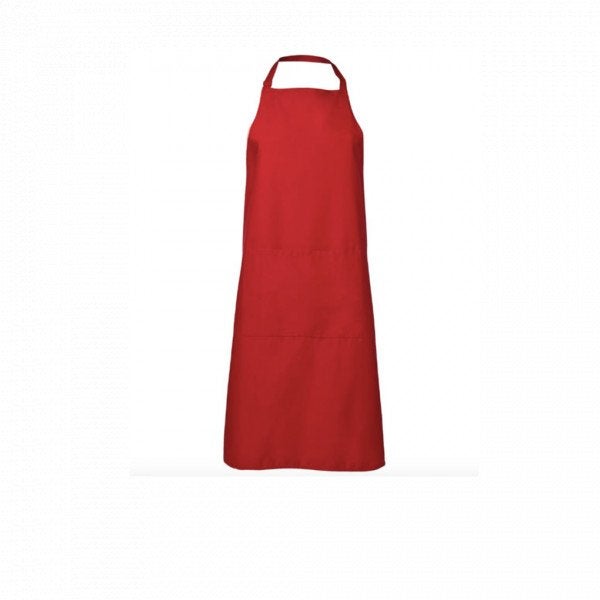
Hospitality and retail | Polos, shirts, aprons, tees and jackets | Customer-facing presentation, stain management and easy care |
Corporate and professional services | Business shirts, polos, knitwear and jackets | Fit, colour consistency, logo placement and professional presentation |
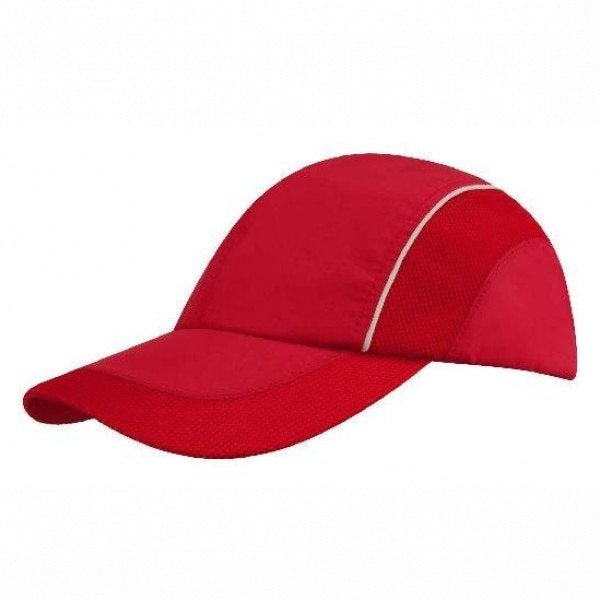
Sports and community groups | Performance tops, polos, caps and team jackets | Movement, moisture management, names, numbers and sponsor branding |
The aim is not to give every employee an identical outfit. It is to create a coordinated range in which the colours, logo treatment and overall presentation remain recognisable across roles.
Safety requirements should be confirmed before colours, logo size or decoration positions are approved. Safe Work Australia identifies high-visibility clothing as a type of personal protective equipment when it is used to reduce workplace risks. It also makes clear that ordinary clothing and uniforms that are not used for personal protection are not PPE.
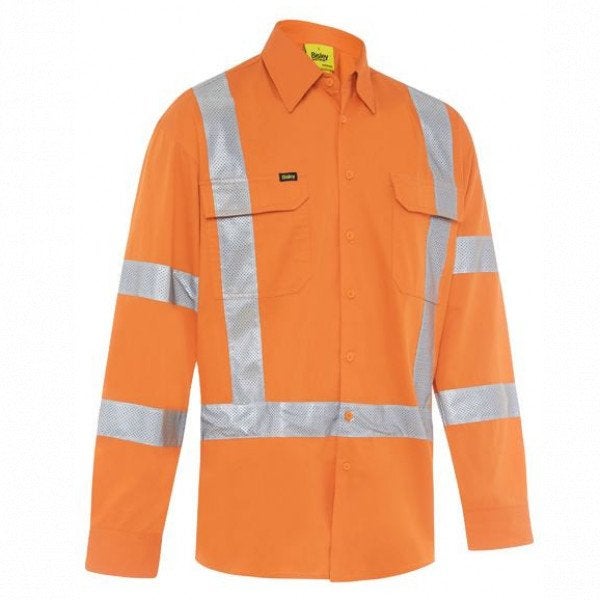
For teams working on construction sites, near traffic, around machinery or in other controlled environments, check the applicable workplace and site requirements. Branding must not cover reflective tape, required high-visibility areas, garment labels or important functional features. A logo should support identification without affecting the purpose of the garment.
Fit matters as well. Protective clothing that is too loose, restrictive or uncomfortable can create practical problems. Employers should confirm requirements with the person responsible for workplace health and safety and use garments designed for the relevant conditions. A branded uniform supplier can help with garment and decoration options, but general branding advice should not replace a site-specific safety assessment.
Outdoor teams also need a broader sun protection plan. Cancer Council Australia reports that people who work outdoors can receive up to 10 times more sun exposure than indoor workers. Where appropriate, consider long sleeves, collars, suitable headwear and garments with a verified UPF rating alongside the other sun protection measures required by the workplace.
Ipswich's climate makes garment weight, breathability and moisture management important. Bureau of Meteorology climate statistics for Ipswich show a mean maximum temperature of 32°C in January. A heavy garment that looks smart in a showroom may become uncomfortable during an active shift in warm conditions.
There is no single best fabric for every Ipswich business. The right choice depends on the role, workplace and washing routine.
Cotton can feel soft and breathable, which may suit casual tees, polos and some indoor or customer-facing roles. However, fabric weight, shrinkage, drying time and the garment's intended use still need to be checked.
Polyester and performance fabrics can offer quick drying, moisture management and colour retention. They may suit active roles, sports teams and workplaces where garments are washed frequently.
Cotton-polyester blends can provide a practical balance of comfort, shape retention and easy care. They are commonly considered for business polos, work shirts and general staff uniforms.
Do not choose by fibre name alone. Compare the garment's weight, construction, ventilation, stretch, care instructions and manufacturer specifications. Outdoor and site-based teams may require specialised garments whose protective or high-visibility performance is more important than a general preference for cotton or polyester.
It is also sensible to plan a coordinated layer for cooler mornings or air-conditioned workplaces. If jackets are part of the range, compare softshell, fleece, puffer and hi-vis options based on the role. The guide to jackets for embroidery in Ipswich explains how different jacket types and logo positions suit different teams.
Employees are more likely to wear a uniform correctly when it fits well and supports their daily movement. An inclusive uniform range may need men's, women's and unisex cuts rather than one style for everyone.
Check the full size range before approving a garment. Sizes are not always consistent between brands, so the label alone is not enough. Ask representative team members to try samples and test normal movements such as reaching, bending, lifting, sitting and working with equipment.
Pay attention to:
shoulder and chest movement
shirt and sleeve length
collar comfort
trouser rise and leg movement
how the garment sits when tucked or untucked
whether an outer layer fits comfortably over the base uniform
whether the same logo position works across small and large sizes
Staff feedback should be structured. Ask employees to comment on fit, movement, temperature and practical features rather than choosing only by appearance. Record the approved garment, colour and size for each person after the fitting. This reduces errors when the full order is placed and makes replacements easier later.
A strong uniform range does not need to reproduce every brand colour. Start with a practical garment colour that suits the working environment, then make sure the logo has enough contrast to remain clear. If different roles wear different garments, repeat a consistent colour, logo treatment or trim detail to keep the team visually connected.
The left chest is a common position for polos, business shirts and jackets because it is visible without dominating the garment. Sleeve branding can be used for a secondary mark, website or partner logo. A larger back design can help identify mobile service, delivery or event staff from a distance. Names or job titles may help customers recognise the right person, but they add another layer of artwork, checking and reordering.
The best decoration method depends on the garment, artwork, quantity and intended use.
Branding method | Often suitable for | Points to check |
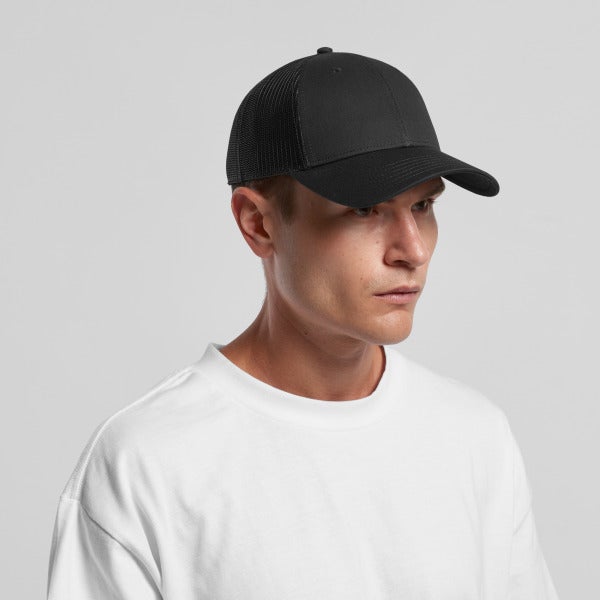
Embroidery | Polos, business shirts, caps, work shirts and jackets | Fabric stability, stitch count, fine details, logo size and placement |
Screen printing | Tees, singlets and larger runs with bold artwork | Setup, number of colours, print area and garment surface |
DTF or heat transfer | Detailed logos, small runs, names and multi-colour artwork | Fabric compatibility, finish, placement and care instructions |
Sublimation | Polyester performance wear and fully customised team garments | Compatible fabric, base colour, artwork setup and production process |
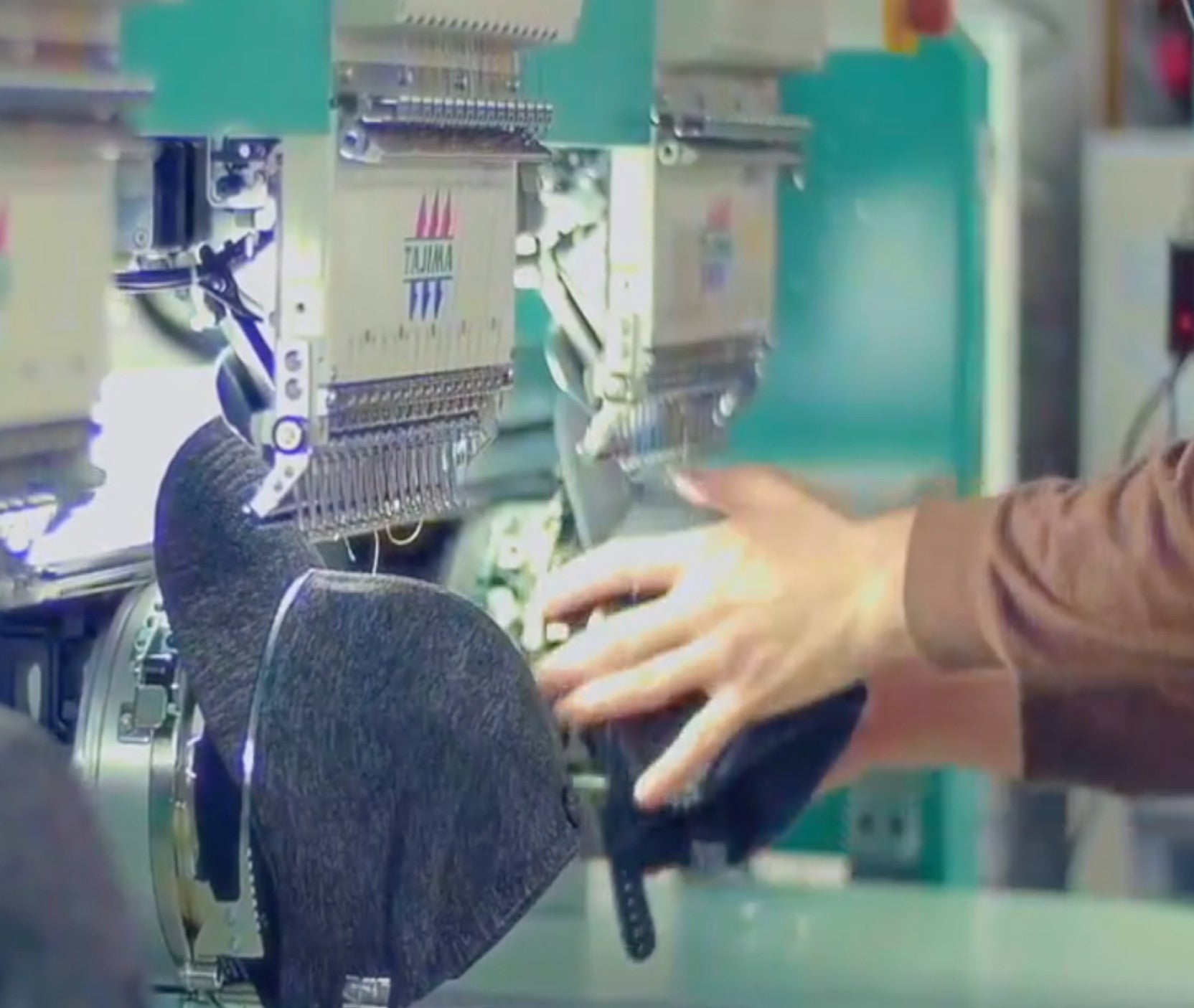
Embroidery can provide a clean, structured finish on polos, caps and jackets, but very small text or detailed gradients may need to be simplified. Screen printing can work well for larger designs on smooth garments. DTF and other transfers may suit detailed multi-colour artwork or personalised names, while sublimation is usually associated with compatible polyester performance garments.
For a deeper breakdown, see the comparison of embroidery and screen printing for work uniforms. A supplier that offers several branding methods can assess the actual garment and artwork instead of forcing every logo into the same process.
The cheapest unit price does not always provide the best value. A low-cost garment can become expensive if the team avoids wearing it, the fit causes repeated replacements or the exact style becomes difficult to reorder.
When comparing quotes, check what is included and what may affect the final price:
garment brand, style and fabric
total quantity and size range
number and size of logo positions
artwork preparation or embroidery digitisation
stitch count or print complexity
individual names, numbers or job titles
samples and sizing requirements
special sourcing or production deadlines
delivery or collection
future availability of the selected garment
Think about cost per wear as well as the initial price. A garment used regularly needs to remain comfortable, presentable and suitable for its role. For a uniform that will be reordered over several years, reliable stock availability and consistent branding can be just as important as the first invoice.
Keep the initial range manageable. A core polo or work shirt, one suitable outer layer and any role-specific garment may be easier to manage than a large range of colours and styles. Additional options can be introduced when there is a clear operational reason.
Samples and artwork approval reduce the risk of discovering fit, colour or logo problems after production.
Use a simple approval process:
Choose the proposed garments and colours.
Confirm the complete size range and arrange representative samples.
Test fit and movement with employees from different roles.
Supply the best available logo artwork.
Review the digital proof and confirm logo size, colour and position.
Request a physical sample or stitch-out when appropriate for the order.
Check spelling, names, numbers and garment quantities carefully.
Confirm the final specification and production approval in writing.
For corporate shirts and polos, the guide on how to order corporate uniform embroidery in Ipswich provides a more detailed ordering sequence.
Testing should reflect real use. Check how the garment feels during movement, whether the logo sits correctly when the item is worn and whether pockets, reflective tape or seams affect the proposed decoration position. Review the care label so employees know how the item should be washed and dried.
A uniform order is easier to manage when the approved information is stored in one place. Create a basic uniform register containing:
garment supplier, brand and product code
approved garment colour
available and assigned sizes
logo artwork and approved colours
branding method, size and position
employee names or role identifiers
date and quantity of the previous order
agreed process for new starters and replacements
This prevents a future manager or administrator from having to recreate the uniform from photographs or old emails. It also makes it easier to maintain a consistent appearance as the team grows.
When planning quantities, consider working days, laundering, how quickly garments become dirty and whether each employee needs a spare. There is no universal number that suits every business. A healthcare worker, outdoor tradesperson and part-time receptionist are likely to need different quantities.
Businesses preparing a larger coordinated order can also review the guide to bulk embroidery and branded workwear in Ipswich. Confirm current garment availability, quantities and pricing directly before relying on an older order specification.
A garment can look professional but still be unsuitable for the employee's movement, climate or workplace.
One unisex cut may not provide a comfortable or presentable fit for every team member.
If a role requires PPE or high-visibility clothing, confirm the applicable requirements before adding branding.
Compare fit, care, replacement availability and intended use rather than focusing only on unit price.
An excessive number of colours and styles makes stock, sizing and future reorders harder to manage.
Digital catalogue images cannot confirm fit, fabric feel or how a logo will reproduce on the selected garment.
A clear reorder record helps new starters receive the correct garments without changing the established uniform system.
There is no single best fabric for every team. Breathable cotton or cotton-blend garments may suit some indoor and customer-facing roles, while quick-drying polyester or performance fabrics may suit active work. Safety, garment construction, fabric weight, washing needs and the employee's role should guide the final choice.
Embroidery often suits polos, shirts, caps and jackets with a smaller professional logo. Screen printing can suit bold designs on tees and larger runs. Transfers may work for detailed artwork or names, while sublimation suits compatible polyester teamwear. The garment, logo, quantity and required finish determine the best method.
Provide enough garments for employees to wear a clean uniform for their scheduled shifts without an unreasonable washing burden, plus a practical spare where needed. The right quantity depends on working days, laundering, exposure to dirt or heat, role requirements and whether outerwear is shared or individually issued.
Yes. Office, customer-facing, site and warehouse teams can wear different garments while maintaining one brand identity. Use consistent colours, logo treatment and styling across the range so customers can still recognise everyone as part of the same organisation.
A logo can often be added to suitable hi-vis garments, but the decoration must not interfere with reflective tape, required visibility or other safety-related features. Confirm the workplace requirements, garment specifications and proposed logo position before production. Branding advice does not replace a workplace safety assessment.
Small teams can often choose from embroidery, transfers or other methods, but minimum quantities and setup costs vary by garment and decoration process. Ask for a quote using the actual logo, garment type, quantities, sizes and deadline so the supplier can recommend a suitable method without unnecessary setup.
A clear brief makes it easier to compare the right garments and receive an accurate quote. Prepare your logo, staff roles, quantities, size requirements, preferred colours and required date before contacting a supplier.
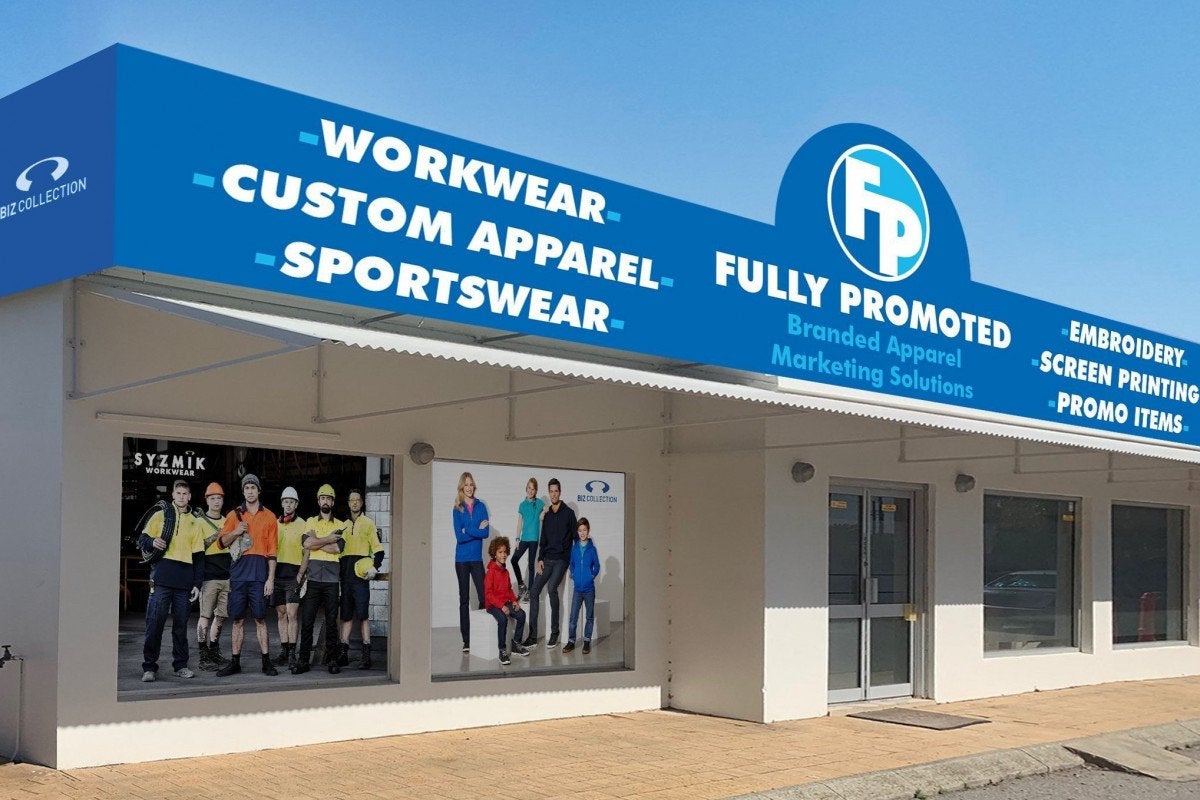
Fully Promoted Springfield supplies branded uniforms and workwear for Ipswich businesses, with garment options for corporate teams, trades, healthcare, hospitality, retail, education, clubs and community organisations. You can review samples and discuss branding options with the Springfield team at The Business Hub, Unit 5, 23 Technology Drive, Augustine Heights.
The store also supports businesses seeking custom workwear in Springfield Lakes, custom uniforms in Amberley and branded uniforms in Bundamba.
Bring the working conditions and team needs into the conversation first. The result should be a uniform range that fits the people wearing it, supports the work they perform and represents the business consistently.
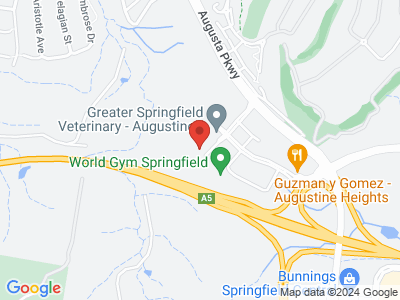
Fully Promoted Springfield
The Business Hub, Unit 5 23 Technology Drive
Augustine Heights Queensland 4300




Create exactly the look you want with a variety of branding options. Our experts can help you discover which techniques will best represent your brand and your budget.
Whether it’s embroidery for your garments, screen printing for a run of apparel, or the latest in branding technology with direct to transfer printing, Fully Promoted has you covered.
Contact Fully Promoted today.












Join our winning team and own your future with
Fully Promoted - the largest promotional franchise
in Australia.
Apply Today!
>



 Industries