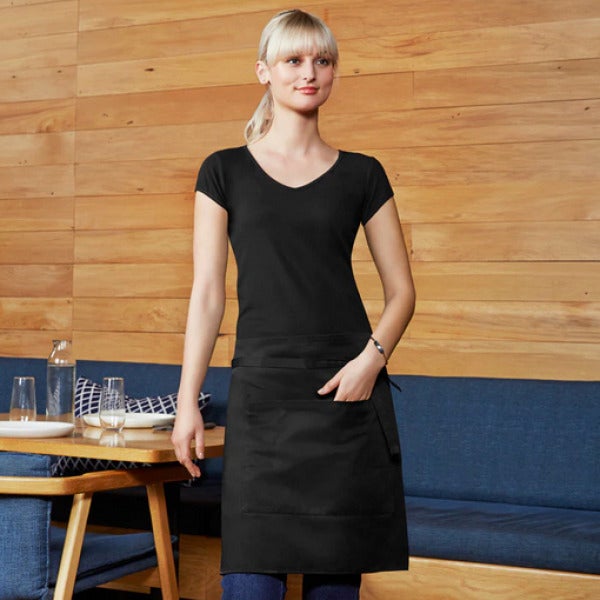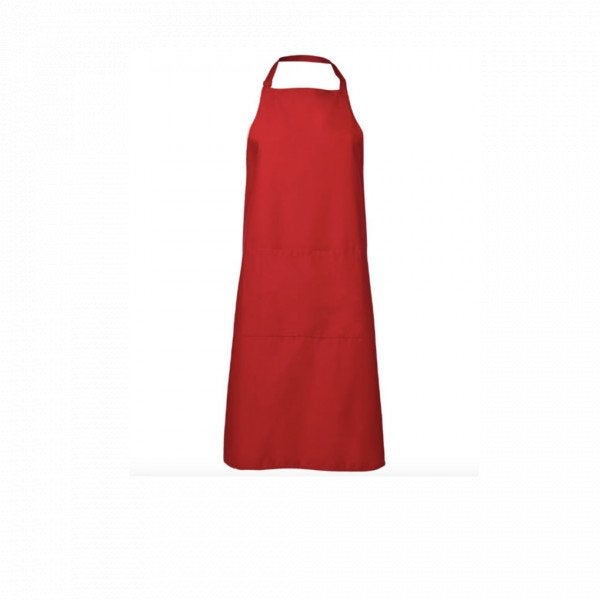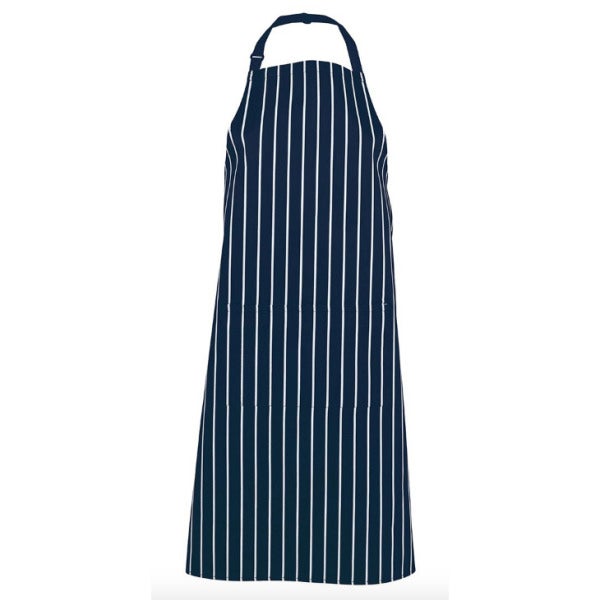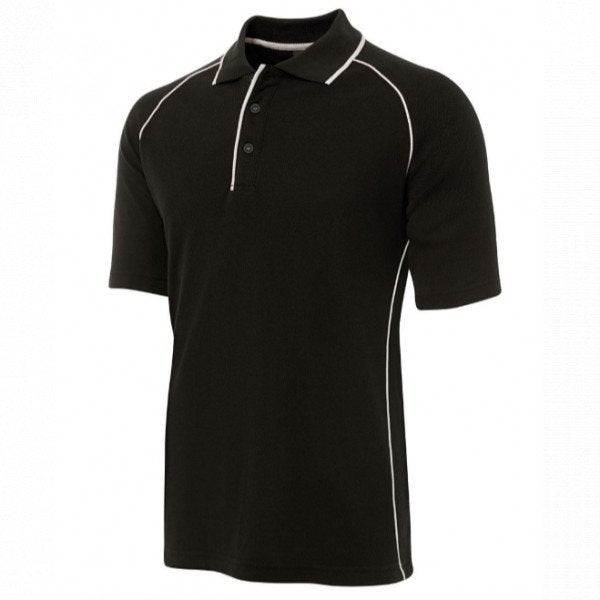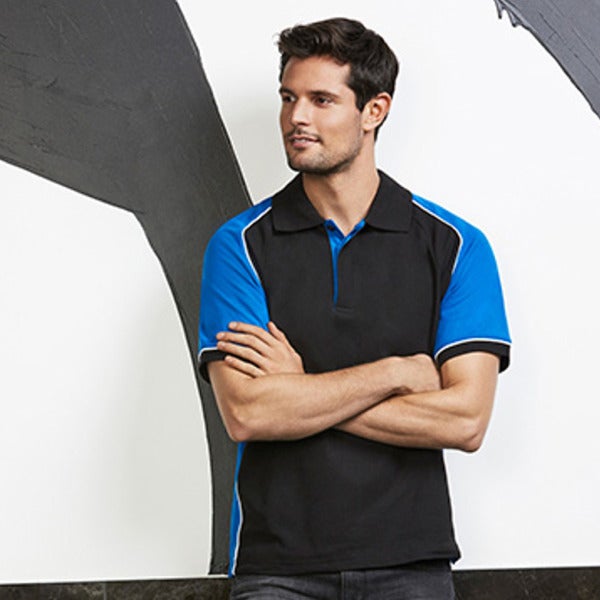
Choose embroidered uniforms that suit your staff’s duties, feel comfortable during service and work with your laundry routine. Check that the logo remains readable at its finished size and visible when the complete outfit is worn. Before ordering for everyone, approve a decorated sample and test its fit, movement and washing performance.
For café and restaurant owners, the most useful question is: Will this uniform work during our busiest shift?
A good-looking apron is little help if its straps are uncomfortable. A beautifully embroidered shirt offers limited branding value if the logo disappears beneath a bib apron. Start with how your team works, then choose the garments and embroidery together.
Match the garment to the role, then use consistent colours and branding to bring the team together. Baristas, waitstaff and kitchen staff do not need identical outfits.
Role | Uniform options to compare | Check before ordering |
|---|---|---|
Baristas | Comfortable polo or shirt with an embroidered bib apron | Reaching movement, strap comfort and logo visibility behind the counter |
Waitstaff | Hospitality shirt or blouse with a waist or bib apron | Bending, tray carrying and pocket access |
Kitchen staff | Purpose-designed chef jacket and suitable apron | Garment suitability for kitchen tasks, ventilation and laundering |
Managers | Coordinating shirt or polo with subtle embroidery | Comfortable fit and a recognisable connection with the team |
Buying tip: Try on the shirt and apron together. Decide which garment should carry the main logo before paying to embroider both.
There is no single best fabric for every café or restaurant. Compare the actual garment’s comfort, weight, care instructions and suitability for embroidery. Fibre composition alone does not tell you how a uniform will feel during service.
Fabric option | When to consider it | What to verify |
|---|---|---|
Cotton or cotton-rich fabric | Staff prefer a natural feel | Drying time, creasing and fit after washing |
Polyester–cotton blend | You want to compare everyday practicality and presentation | Comfort, care requirements and shape retention |
Performance fabric | The garment offers features relevant to an active role | Product specifications and suitability for stitched decoration |
Denim or canvas apron fabric | You want a textured, structured appearance | Weight, flexibility and comfort with loaded pockets |
For Brisbane venues, assess the full outfit in the work area. Clothing that feels comfortable in the dining room may feel different beside a coffee machine or in a warm preparation area.
Ask staff to compare samples rather than choosing solely from catalogue photographs. Our guide to summer work uniforms for hot weather provides further considerations for warm-weather clothing.
Embroidery is worth considering for compact logos on suitable, stable fabrics. Printing may be more suitable for large artwork, gradients or designs on lightweight garments. The better choice depends on the design, fabric, care requirements and quote.
Your requirement | Option to discuss with your supplier |
|---|---|
A small logo on a suitable polo, shirt or apron | Embroidery, with a sample to check definition |
Large artwork across a T-shirt back | Printing, with the method selected for the fabric and artwork |
Fine lettering or complex colour detail | A simplified embroidered version or an appropriate printing method |
Commercial laundering | A garment and decoration combination confirmed for the actual laundry process |
An embroidered apron and a printed T-shirt can also work together. You do not need one decoration method across the whole uniform range.
Read our comparison of embroidery, screen printing and DTF when discussing the options.
Approve a physical stitch-out at the intended logo size. Check that the business name is readable, the colours contrast with the garment and the stitching does not distort the fabric.
Embroidery digitising means converting artwork into instructions that an embroidery machine can stitch. A high-quality image or vector file is useful source artwork, but it is not automatically a production-ready embroidery file.
Ask your supplier:
Will small lettering or fine lines need simplifying?
What finished dimensions suit this garment?
What backing will support the stitching?
Will the embroidered area feel comfortable against the skin?
Is a stitch-out or decorated sample included in the quote?
A stitch-out helps assess the design. A sample on the intended garment also lets you check the interaction between the fabric, backing and stitches.
Avoid approving from an enlarged screen image alone. View the embroidery at its real size and at a normal customer-facing distance.
Put the logo where it remains visible during normal service. A chest logo may suit a shirt worn alone, while an apron bib may provide better visibility when the apron covers the shirt.
Before confirming placement, have a staff member wear the complete outfit, adjust the straps and load the pockets. Check the branding while they stand, reach and bend.
Look for three problems:
Covered branding: Apron panels, straps or outer layers hide the logo.
Distorted branding: Fabric folds make the business name difficult to read.
Restricted function: Decoration interferes with a pocket or sits uncomfortably against the body.
Check placement across the size range. A position that works on one sample may need review on a different cut or size.
Use a wear-and-wash trial on a decorated sample. Record what you observe so the decision is based on the garment your team will receive.
This is a suggested buying check, not a laboratory durability test.
Test | What to do | What should prompt a review |
|---|---|---|
Movement | Reach, bend and carry as the role requires | Pulling, restricted shoulders or poor coverage |
Apron comfort | Adjust straps and load everyday pocket items | Neck pressure, slipping straps or awkward access |
Logo visibility | View the complete outfit during normal tasks | Hidden, folded or unreadable branding |
Washing | Follow the approved care instructions | Changed fit, colour transfer or puckering |
Skin comfort | Check the reverse side of the decoration | Rough backing or irritation |
Photograph the sample before and after washing under similar lighting. Record the garment code, size, wash settings and observations. If you change the garment or embroidery specification, check the revised sample before approving production.
Base the quantity on shifts between laundry returns, garment changes during service and the spare stock you need. A fixed number per employee will not suit every roster.
A useful planning calculation is:
Garments required = changes needed before clean laundry returns + contingency spares.
For example, if an employee needs one clean shirt for each of three shifts before washing is completed, three shirts cover the planned use. Adding one spare gives four. This is an illustrative calculation, not a universal allowance.
Calculate aprons separately if staff change them more frequently. Confirm washing and drying instructions for the decorated garment, including any commercial-laundry requirements.
The total depends on garment selection, quantity, embroidery design, decoration positions, setup and any personalisation. Compare itemised quotes using the same specifications.
Ask each supplier to show:
Garment brand, style code, colour and size range.
Logo dimensions and embroidery positions.
Digitising or artwork setup charges.
Sample and individual-name charges.
Delivery costs and whether GST is included.
Minimum quantities and top-up order pricing.
Ask what it would cost to outfit one new employee later. A lower initial price may be less useful if replacement garments are difficult to source or small repeat orders are expensive.
Our guide to custom business uniform costs in Brisbane can help you prepare your budget questions.
Approve a written specification that records exactly what will be supplied. Keep a copy so future orders can be checked against the original.
Your approval checklist should include:
Garment codes, colours, sizes and quantities.
Staff feedback on fit and movement.
Logo size, placement and thread colours.
Approval of the decorated sample.
Suitable washing and drying instructions.
The complete price and required delivery date.
Stock availability and the process for repeat orders.
For more supplier-selection questions, read our guide to choosing a uniform printing supplier.
Some lightweight T-shirts can be embroidered, but suitability depends on the fabric, design size and stitch density. Ask for a sample to check distortion, stiffness and comfort. Printing may suit the garment better.
Names can help customers identify staff, but permanently personalised garments are harder to reassign. Compare embroidered names with removable name badges before deciding.
No. Commercial-laundry suitability depends on the complete garment and decoration system. Confirm compatibility with both the supplier and laundry provider.
Send your logo file, staff numbers, garment preferences, size information if available, required date and laundry requirements. Include your preferred logo positions and ask whether sampling and setup are included.
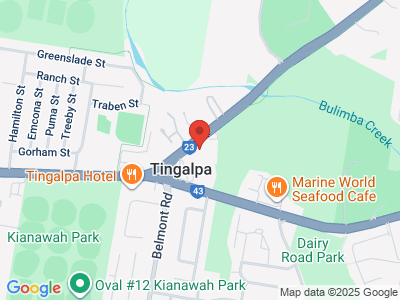
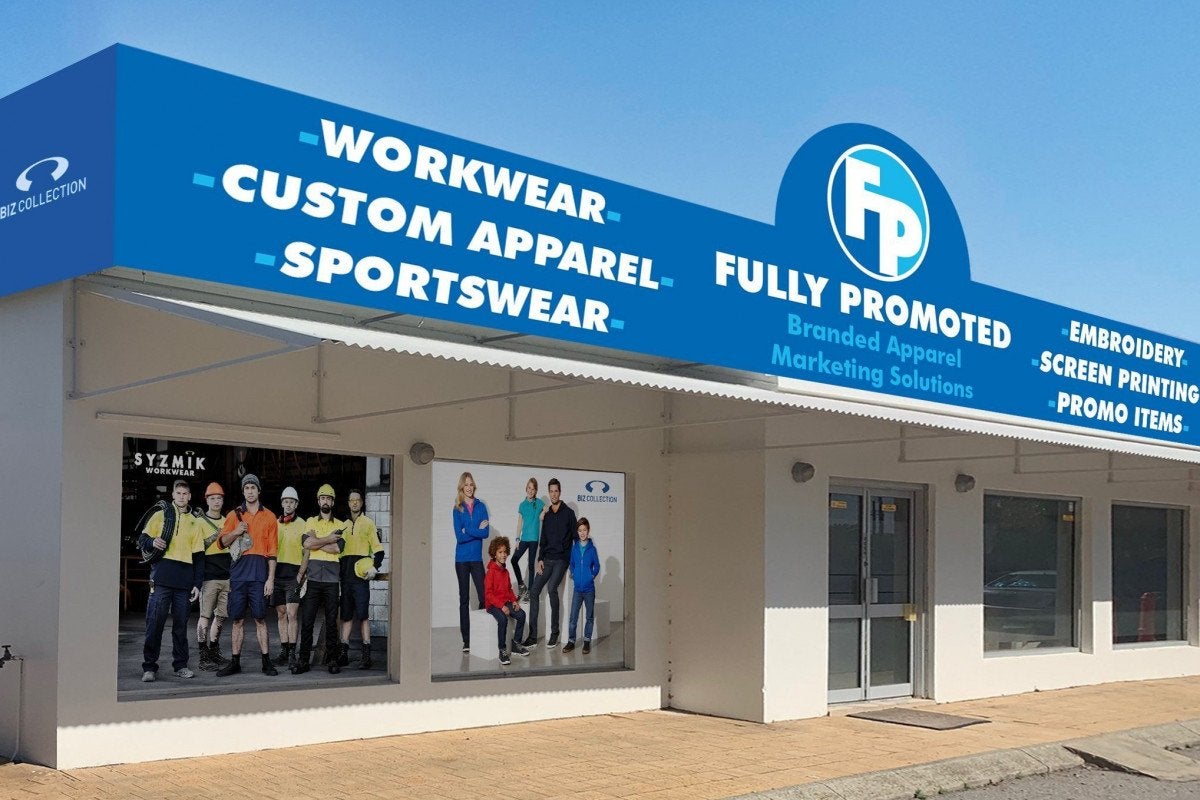
Fully Promoted Tingalpa supplies custom uniforms and embroidery for local businesses, including hospitality teams. Visit the showroom at 24D/1631 Wynnum Road, Tingalpa QLD 4173, or call (07) 2105 9265 to arrange a discussion.
Bring your logo, team requirements and opening or replacement deadline. We can discuss garment and decoration options for your café or restaurant.
Create exactly the look you want with a variety of branding options. Our experts can help you discover which techniques will best represent your brand and your budget.
Whether it’s embroidery for your garments, screen printing for a run of apparel, or the latest in branding technology with direct to transfer printing, Fully Promoted has you covered.
Contact Fully Promoted today.



















Join our winning team and own your future with
Fully Promoted - the largest promotional franchise
in Australia.
Apply Today!
>



 Industries